

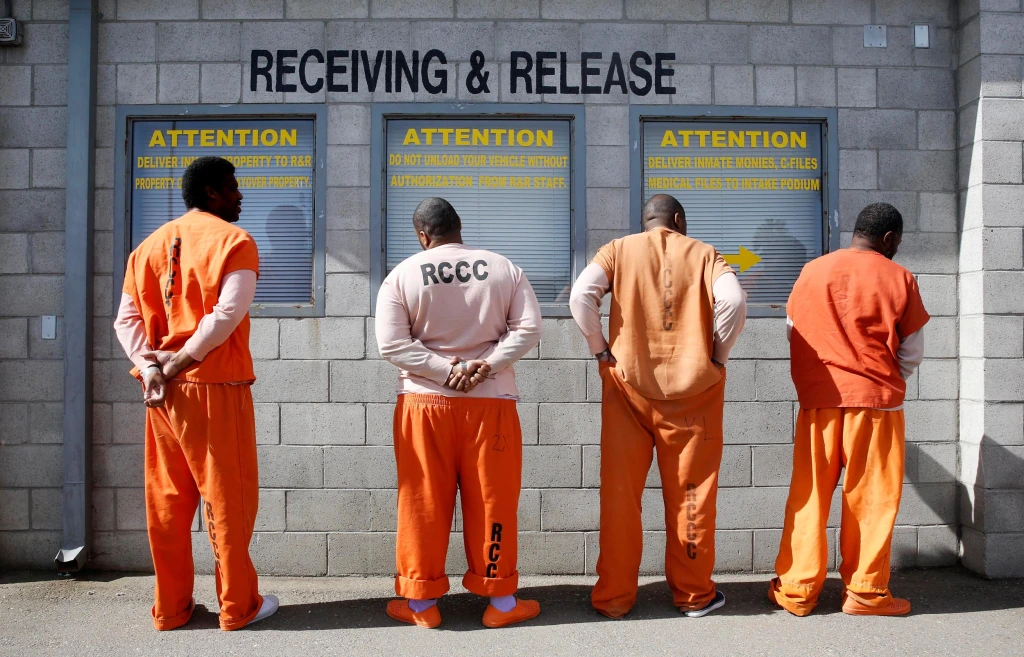
For generations, discussions surrounding incarceration in the United States have focused primarily on crime, punishment, public safety, sentencing policy, prison populations, and reentry challenges. Yet a growing body of research is revealing a deeper and more troubling reality: for millions of Americans, the consequences of incarceration do not end when a prison sentence is completed.
Instead, the effects can follow individuals for decades, shaping their physical health, accelerating the aging process, shortening life expectancy, and creating medical challenges that persist long after they have returned to their communities.
New research examining the long-term health impacts of incarceration is helping illuminate what many public health experts, criminal justice reform advocates, and formerly incarcerated individuals have long suspected. The experience of incarceration itself may contribute to significant health consequences later in life, creating what some researchers increasingly describe as a hidden and often overlooked public health crisis.
Recent studies authored by Professor Carmen Gutierrez and her colleagues provide some of the strongest evidence yet that prior incarceration is associated with numerous geriatric health conditions and reduced life expectancy. Their findings add to a growing conversation about how the criminal justice system intersects with healthcare, aging, poverty, and long-term community wellbeing.
The implications extend far beyond prison walls.
While incarceration is typically viewed through the lens of criminal justice policy, these findings suggest it must also be examined as a significant public health issue. The effects of incarceration do not simply impact individuals while they are confined. They can influence healthcare systems, families, communities, social services, and public expenditures for decades after release.
One of the most significant findings emerging from this research is the concept of accelerated aging.
Individuals with a history of incarceration often experience chronic health conditions commonly associated with much older populations. Medical issues that typically emerge later in life frequently appear earlier among people who have spent time behind bars. Cardiovascular disease, diabetes, mobility limitations, cognitive decline, chronic pain, respiratory illness, and other age-related conditions often occur at disproportionately high rates among formerly incarcerated populations.
This phenomenon raises important questions about what happens inside correctional facilities and how incarceration affects the human body over time.
The prison environment itself can be physically and psychologically demanding. Many incarcerated individuals experience prolonged stress, social isolation, limited physical activity, disrupted sleep patterns, inadequate nutrition, exposure to violence, and barriers to consistent healthcare. These factors can combine to create conditions that place extraordinary strain on both physical and mental health.
Stress, in particular, has become a major focus of modern medical research.
Long-term exposure to chronic stress is associated with elevated inflammation, cardiovascular problems, weakened immune function, and numerous other health complications. Incarceration often involves sustained periods of uncertainty, restricted autonomy, separation from family, and exposure to traumatic experiences that may contribute to lasting physiological effects.
For many individuals, those challenges do not end upon release.
Formerly incarcerated people frequently face significant barriers to housing, employment, healthcare access, education, and financial stability. These obstacles can contribute to ongoing stress while simultaneously limiting opportunities to address emerging health concerns before they become serious medical conditions.
The result is often a cycle in which incarceration contributes to health challenges that are then compounded by social and economic barriers after release.
Research increasingly suggests that the cumulative impact of these experiences may help explain why formerly incarcerated individuals often experience poorer health outcomes than comparable populations without incarceration histories.
Life expectancy is another area drawing increased attention.
Studies examining mortality patterns have consistently found elevated risks among formerly incarcerated populations. While multiple factors contribute to these outcomes, researchers are becoming increasingly interested in understanding how incarceration itself may influence long-term survival and overall health trajectories.
The findings raise difficult but important policy questions.
If incarceration contributes to poorer health later in life, then the true costs of the criminal justice system extend well beyond correctional budgets. Healthcare expenditures, disability support services, family caregiving burdens, and lost economic productivity all become part of the equation.
In many ways, the research challenges conventional assumptions about what constitutes the full impact of incarceration.
Traditionally, sentences are measured in months or years served. Yet these studies suggest that the consequences of incarceration may continue affecting individuals long after their official sentence has ended. The legal punishment may conclude, but its health consequences can remain.
This reality has particular significance as the American prison population continues to age.
Decades of mass incarceration policies have produced a growing population of older adults with incarceration histories. Many correctional systems now face rising healthcare costs associated with aging incarcerated populations, while communities increasingly encounter older residents carrying the physical and psychological effects of prior confinement.
Public health experts argue that addressing these challenges requires a broader understanding of reentry and rehabilitation.
Successful reintegration into society involves more than employment assistance and housing support. It may also require comprehensive healthcare access, mental health services, chronic disease management, trauma-informed care, and long-term support systems capable of addressing the unique needs of people with incarceration histories.
Healthcare providers are also beginning to recognize incarceration history as an important social determinant of health.
Much like housing instability, poverty, food insecurity, or exposure to violence, prior incarceration may influence health risks in ways that deserve greater attention within medical settings. Understanding those risks can help clinicians identify patients who may require additional support, preventive care, or specialized interventions.
The research also underscores broader questions about prevention.
If incarceration contributes to poorer health outcomes, then policies designed to reduce unnecessary incarceration may generate public health benefits alongside criminal justice reforms. Diversion programs, treatment alternatives, community supervision reforms, mental health interventions, and restorative justice initiatives may all have implications that extend beyond reducing prison populations.
They may also help reduce future healthcare burdens while improving long-term outcomes for individuals and communities alike.
Perhaps the most important lesson emerging from this growing body of research is that incarceration cannot be viewed as an isolated event.
It is often a life-altering experience with consequences that ripple across decades. Those consequences affect not only the individuals directly involved but also families, neighborhoods, healthcare systems, and public institutions.
The findings from Professor Gutierrez and her colleagues contribute to a growing understanding that criminal justice policy and public health policy are deeply interconnected. Decisions about incarceration influence far more than correctional populations. They shape health outcomes, aging trajectories, life expectancy, and community wellbeing for generations.
As policymakers, researchers, healthcare professionals, and advocates continue examining these issues, one thing is becoming increasingly clear: the conversation about incarceration must expand beyond what happens during confinement.
The true impact of incarceration may only become fully visible years later, when individuals begin experiencing health consequences that reveal how deeply the experience has affected their lives.
For a nation seeking solutions to both public health challenges and criminal justice reform, understanding those long-term consequences may be one of the most important conversations still ahead.