
Animal rescue stories often begin with urgency, uncertainty, and impossible conditions. A cry behind a wall. Tiny movements hidden inside dark spaces. Frightened animals trapped in places they were never meant to survive. Yet sometimes, amid the chaos and difficulty of rescue work, a single moment emerges that cuts through every barrier between humans and animals and reminds people of something deeply universal: the instinct to protect family at all costs.
That is exactly what unfolded during a recent rescue effort involving a mother cat and her kittens — a story that has quickly resonated across rescue communities because it captures not only the complexity of emergency animal intervention, but also the extraordinary emotional intelligence and maternal devotion animals demonstrate every single day.
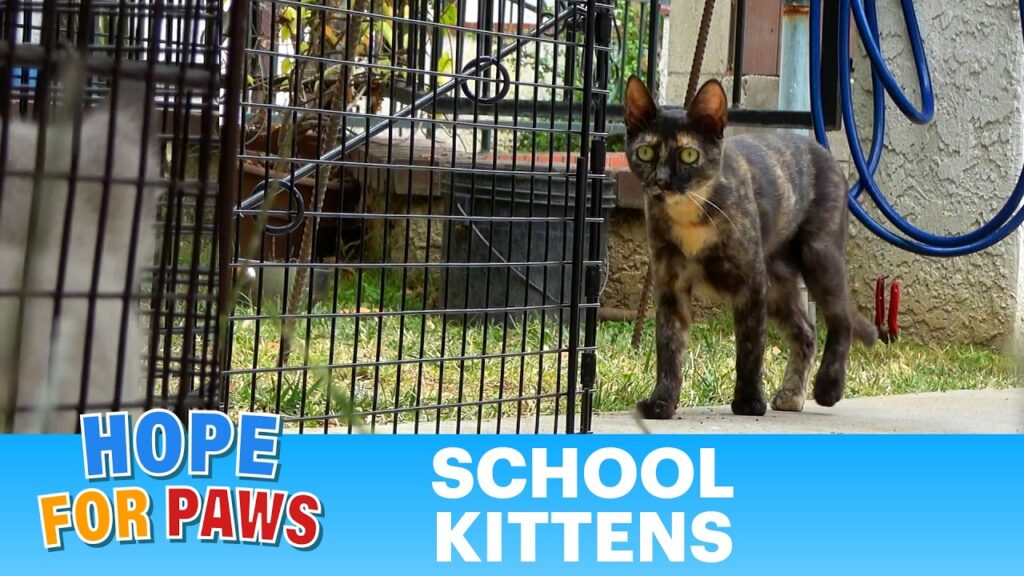
At Sustainable Action Now, rescue stories matter because they expose realities most people rarely witness firsthand. They reveal how fragile survival can become for homeless animals, how dependent rescue systems are on community awareness and support, and how deeply emotional the bonds between animal mothers and their babies truly are. In this case, one mother cat made a choice that transformed a difficult rescue operation into something profoundly moving: she refused to abandon her kitten, even when doing so meant walking directly into a trap herself.
What unfolded during this rescue perfectly illustrated the emotional conflict these mothers experience. Like countless stray animals surviving outdoors, the mother cat had likely learned through harsh experience to avoid humans whenever possible. Fear becomes survival instinct. Yet maternal instinct can become even stronger.
Rescue teams frequently rely on food to safely trap homeless animals because hunger is often unavoidable among strays struggling to survive. But when kittens or puppies are involved, rescuers know something even more powerful than hunger often shapes behavior: a mother’s refusal to abandon her young.
In this case, that instinct became impossible to ignore.
The mother cat remained committed to staying near her kitten despite the obvious danger and uncertainty surrounding the rescue effort. Even when the trap represented fear, confinement, and risk from her perspective, she chose proximity to her baby over escape. It was not calculation. It was attachment. Protection. Responsibility. A maternal drive so deeply embedded that survival itself became secondary to staying close to her offspring.
Moments like these are profoundly important because they challenge outdated assumptions people still hold about animal emotional complexity. For generations, society often minimized or dismissed the emotional inner lives of animals, especially stray or feral animals surviving outside traditional human companionship. Yet rescue work repeatedly exposes evidence of grief, fear, attachment, protection, trauma, social bonding, and emotional sacrifice in ways that become impossible to rationalize away once witnessed directly.
The mother cat’s actions during this rescue are not unusual within rescue work itself. In fact, rescuers consistently observe extraordinary maternal behaviors among cats, dogs, and countless other species. Mothers hide litters in dangerous places trying to keep them safe. They return repeatedly to unsafe environments searching for missing babies. They vocalize in distress when separated. They refuse food while monitoring vulnerable offspring. They place themselves in danger rather than leave young animals behind.
What makes stories like this resonate globally is not simply that the rescue succeeded. It is that viewers recognize something emotionally familiar within the mother’s behavior. Protection. Loyalty. Fear. Devotion. The same emotional frameworks humans associate with parenthood suddenly become visible in another species, forcing a deeper recognition of shared emotional experience across the animal world.
At Sustainable Action Now, these stories are not simply emotional content pieces designed for temporary reaction. They represent something larger about how societies increasingly understand animals themselves. Rescue culture has evolved dramatically over the past decade because public awareness surrounding animal cognition and emotional intelligence has expanded significantly. Modern audiences no longer view stray animals merely as environmental problems or anonymous creatures surviving on society’s margins. Increasingly, people recognize them as emotionally complex beings navigating fear, vulnerability, and survival in environments often shaped by human neglect and systemic failure.
This growing awareness matters because rescue organizations are operating under enormous strain nationwide and globally. Kitten season alone pushes shelters, nonprofits, foster networks, veterinary clinics, and volunteer systems to their limits every year. Thousands upon thousands of homeless animals require emergency intervention, medical treatment, foster placement, and long-term adoption support simultaneously. Stories like this help humanize those overwhelming numbers by focusing public attention on individual lives and relationships.
The rescue itself also demonstrates another crucial aspect of effective animal welfare work: collaboration.
After safely securing the kittens, rescue teams coordinated with local animal control to ensure the mother cat could also be brought into safety and receive appropriate veterinary care. This cooperative structure is essential because sustainable rescue systems depend heavily on partnerships between independent rescues, municipal agencies, foster organizations, veterinary professionals, and adoption networks. No single organization can manage the scale of homeless animal crises alone.
The involvement of foster organizations willing to care for rescued families is equally important. Foster care often becomes the bridge between survival and long-term recovery, especially for young animals. Kittens raised in stable foster environments receive socialization, medical oversight, nutrition, emotional stability, and gradual exposure to human interaction critical for healthy development and successful adoption placement.
For mother cats, foster placement can be life-changing as well. Many spend months or years surviving in constant hypervigilance outdoors, exposed to weather extremes, territorial threats, disease, starvation, injury, and reproductive exhaustion. Once safely indoors, some mothers experience security and consistency for the first time in their lives. They can nurse kittens without fear, rest without danger, and begin recovering physically and emotionally from prolonged survival stress.
The emotional power of this rescue also highlights why public involvement matters so profoundly in animal welfare outcomes. The rescue only became possible because someone noticed the situation and chose to call for help rather than ignore it. Countless rescue stories begin exactly that way — an observant neighbor, passerby, homeowner, worker, or community member recognizing distress and deciding intervention matters.
That awareness becomes especially critical during kitten season when litters often remain hidden in dangerous locations invisible to the public. Early intervention dramatically improves survival outcomes, particularly for neonatal kittens whose health can deteriorate rapidly without proper care.
The “School Supplies Family” nickname associated with the rescued cats adds another meaningful layer to the story because naming rescued animals helps transform them from anonymous cases into identifiable individuals with personalities and narratives audiences emotionally connect to. Rescue organizations understand the importance of storytelling because emotional engagement directly impacts foster interest, donations, adoption applications, and public awareness surrounding broader animal welfare issues.
At Sustainable Action Now, rescue narratives like this matter because they expose both the vulnerability and resilience existing simultaneously within homeless animal populations. They reveal how much suffering remains invisible in everyday environments while also demonstrating how compassion, coordination, and persistence can permanently alter outcomes for animals who otherwise might never survive.
There is also something deeply symbolic about the mother cat’s decision itself. She walked into the trap not because she trusted humans, but because maternal instinct overpowered fear. In many ways, that moment encapsulates the emotional reality rescue workers witness constantly — animals are not emotionally detached survival machines operating solely on instinctive automation. They form bonds. They protect family. They experience fear and attachment simultaneously. And sometimes they make choices rooted entirely in connection rather than self-preservation.
These are the moments that fundamentally reshape how people perceive rescue work and animal welfare more broadly.
The public often sees the happy endings — adoption photos, playful kittens, recovery updates, safe foster homes. What they do not always see is the emotional intensity behind those outcomes. The hours spent locating hidden animals. The careful trap placement. The waiting. The coordination. The uncertainty. The emotional stakes of every decision. Rescue work requires technical skill, but it also requires extraordinary emotional endurance because the people involved regularly witness suffering alongside remarkable acts of animal devotion and resilience.
The story also serves as another reminder of why spay and neuter access remains one of the most critical components of long-term animal welfare strategy. Countless stray mothers continue giving birth in dangerous conditions because affordable veterinary care remains inaccessible in many communities. Sustainable solutions require not only rescue response, but also preventative infrastructure capable of reducing cycles of homelessness before they begin.
Still, amidst those larger systemic conversations, stories like this continue resonating because they reconnect people to empathy itself.
A frightened mother cat choosing her kitten over freedom is not simply a rescue anecdote. It is evidence of emotional depth many people still underestimate in animals. It is a reminder that love, protection, and sacrifice are not uniquely human experiences. And it is proof that even in the harshest survival conditions, connection remains powerful enough to overcome fear.
That truth may ultimately be why these rescue stories matter so deeply.
Because every successful rescue is more than an isolated event. It is a small but meaningful act of resistance against indifference itself.