
Every year, kitten season arrives quietly at first. A few calls begin coming into rescue organizations about stray litters hidden beneath porches, tucked inside abandoned structures, behind sheds, under stairwells, or buried deep within overgrown neighborhoods where vulnerable animals struggle to survive unnoticed. Then, almost overnight, the crisis intensifies. Shelters begin filling rapidly. Foster networks stretch beyond capacity. Rescue workers race against time responding to emergency situations involving injured mothers, dehydrated newborns, orphaned litters, and colonies surviving in dangerous conditions.
For organizations committed to frontline animal rescue, kitten season is not simply a busy period. It is one of the most emotionally and physically demanding stretches of the entire year. And yet, it is also the season where some of the most extraordinary rescue stories emerge — stories that remind people exactly why compassionate intervention matters.
One recent rescue effort involving a mother cat and her kittens has quickly captured attention not only because of its heartwarming outcome, but because it perfectly illustrates the growing importance of coordinated rescue networks, foster partnerships, and public support in modern animal welfare. The rescue began with a simple call about a mother cat and multiple kittens living beneath a house. Situations like this are unfortunately far more common than many people realize.
Outdoor cats frequently seek shelter in crawl spaces, under homes, and inside inaccessible structures because these environments offer protection from predators, traffic, weather, and human activity. But while these spaces may provide temporary safety, they also create enormous risks, particularly for newborn kittens.
For rescue teams, every such call represents uncertainty. The animals may be frightened, sick, injured, malnourished, or difficult to access. Kittens hidden in confined spaces are especially vulnerable because delays in rescue can rapidly escalate into life-threatening situations. Exposure, parasites, infections, dehydration, and environmental hazards can become fatal extremely quickly for young animals.
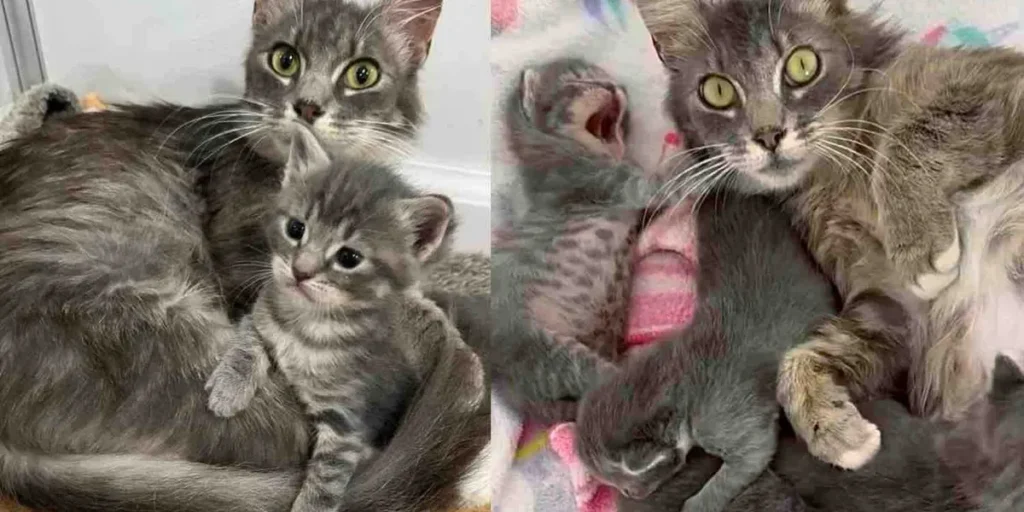
In this case, however, the rescue effort resulted in something remarkable. The mother cat and her kittens were safely rescued, and what began as another urgent kitten season intervention transformed into a story filled with hope, compassion, and even a little cultural celebration. Rescued on May 4th — internationally celebrated by millions of fans as Star Wars Day — the feline family received names inspired by one of the most beloved franchises in modern entertainment history. The mother cat was fittingly named Princess Leia, while her kittens were named after favorite Star Wars characters, instantly giving the rescue story an added layer of warmth and personality that resonated far beyond traditional rescue audiences.
But beneath the charming names and uplifting photographs lies something much larger and more important: a reminder of the extraordinary work happening daily behind the scenes within rescue organizations during one of the most overwhelming times of the year.
Animal rescue work is often misunderstood by the public because people usually only see the successful outcomes. They see healthy kittens wrapped in blankets, playful foster updates, adoption photos, and emotional reunion stories. What they often do not see are the countless hours spent responding to calls, coordinating transport, setting humane traps, crawling through unsafe environments, arranging emergency veterinary care, fundraising for medical treatment, organizing foster placement, and ensuring every rescued animal receives the long-term care necessary to truly recover.
Kitten season intensifies every one of those challenges simultaneously. Rescue organizations across the country become inundated with calls involving abandoned litters, pregnant stray cats, and rapidly expanding outdoor colonies. The sheer scale of the issue creates an enormous strain on shelters, nonprofits, volunteers, and foster homes already operating with limited resources.
That is precisely why rescue partnerships matter so deeply. In this case, the involvement of foster partners willing to care for the rescued family represents one of the most critical components of successful animal rescue infrastructure. Foster networks are often the difference between survival and overcrowding during peak rescue periods. Without them, shelters can become overwhelmed rapidly, limiting the number of animals organizations are able to save.
Fostering provides something institutional shelter environments often struggle to fully replicate: stability, socialization, individualized care, and a calm environment where vulnerable animals can decompress and develop. For young kittens especially, foster care plays an enormous role in healthy development and successful adoption outcomes. Kittens raised in nurturing foster environments tend to socialize more effectively, adapt more comfortably to home life, and experience significantly reduced stress during critical growth periods.
For mother cats like Princess Leia, foster care can be equally transformative. Outdoor survival requires constant vigilance, stress, and resource scarcity. Once rescued, many mothers finally experience safety for the first time in months or even years. Access to reliable food, medical treatment, clean shelter, and quiet environments allows them to recover physically and emotionally while continuing to care for their kittens.
Stories like this resonate so strongly because they humanize rescue work in ways statistics alone never can. Millions of stray and feral cats exist throughout the United States, and kitten season consistently pushes shelters and rescues to their operational limits. Those numbers can sometimes feel overwhelming or abstract to the public. But when people encounter a specific story — a mother cat rescued from beneath a house, a litter named after iconic characters, foster families stepping forward to help — the crisis suddenly becomes personal and emotionally tangible.
That emotional connection matters because rescue organizations rely heavily on community support to continue operating effectively. Donations fund veterinary treatment, vaccinations, spay and neuter procedures, emergency surgeries, food supplies, medications, transportation, and daily care. Volunteers donate thousands of hours handling transport, fostering, trapping, socialization, fundraising, administration, and adoption coordination. Every successful rescue story is usually supported by an entire ecosystem of people working collaboratively behind the scenes.
The timing of this rescue also highlights another important reality: kitten season continues expanding in many regions due to climate shifts, urban development, and insufficient access to widespread spay and neuter resources. Warmer temperatures often lengthen breeding cycles, leading to extended rescue surges that strain organizations for longer periods throughout the year. Sustainable long-term solutions therefore require not only rescue response but also proactive community education, affordable veterinary access, trap-neuter-return programs, and increased public awareness surrounding responsible pet care.
At Sustainable Action Now, stories like this reflect broader conversations surrounding compassion, sustainability, and the interconnected relationship between communities and animal welfare. Sustainable thinking is not limited solely to environmental policy or food systems. It also includes how societies care for vulnerable living beings, support rescue infrastructure, and create more humane ecosystems for both people and animals.
Compassion itself functions as a form of sustainability. Communities that invest in rescue programs, foster systems, accessible veterinary care, and responsible animal management help reduce suffering while strengthening broader social responsibility. Rescue stories remind people that meaningful change often begins locally — with one phone call, one foster volunteer, one donation, one organization willing to respond when others cannot.
The cultural crossover element of this rescue story also deserves attention because it demonstrates how storytelling helps broaden engagement with animal welfare issues. Naming the rescued cats after beloved Star Wars characters transformed the rescue from a simple news update into something shareable, memorable, and emotionally engaging for wider audiences. In the digital age, these kinds of connections matter enormously because visibility often directly impacts adoption opportunities, fundraising success, and public support.
People are naturally drawn to stories that combine hope, familiarity, humor, and emotional resonance. A rescue centered around Princess Leia and a family of Star Wars-inspired kittens immediately creates that connection while still highlighting the very real challenges of kitten season and rescue work. It reminds audiences that advocacy and awareness do not always need to feel heavy-handed to be effective. Sometimes joy becomes one of the strongest tools for building empathy.
Another powerful aspect of this rescue story is the symbolism surrounding motherhood itself. Mother cats in outdoor environments endure extraordinary hardships while protecting their litters. They search constantly for food, defend kittens from predators, navigate dangerous weather conditions, and often survive while physically depleted and medically vulnerable themselves. Successful rescues involving entire families therefore carry a particularly emotional weight because they interrupt a cycle of hardship before it escalates further.
Every rescued litter also represents prevention. Spay and neuter efforts associated with rescue work help prevent future generations of suffering while reducing long-term strain on shelters and communities. Sustainable rescue models increasingly focus not only on immediate intervention but also on breaking recurring cycles through proactive veterinary care and community engagement.
As audiences continue gravitating toward more meaningful and emotionally grounded content online, rescue stories like this continue resonating because they provide something increasingly valuable: authentic hope. Not manufactured optimism or performative activism, but real examples of people dedicating time, resources, and compassion toward helping vulnerable lives survive and eventually thrive.
The image of a frightened mother cat hiding beneath a house with her kittens could easily have become another tragic story lost within the overwhelming realities of kitten season. Instead, because people intervened, coordinated resources, and committed to long-term care, it became something entirely different — a story about survival, compassion, partnership, and second chances.
And perhaps that is exactly why these stories matter so much right now. In a world often dominated by division, anxiety, and constant digital noise, moments of genuine rescue and care still cut through powerfully. They remind people that empathy remains actionable. That community still matters. That small interventions can permanently alter outcomes for vulnerable lives.
Princess Leia and her kittens may have arrived as another emergency rescue call during an exhausting kitten season, but they leave behind something much larger: a renewed reminder that compassion, when supported collectively, continues to create extraordinary outcomes every single day.