

The Creamy Summer Classic Reinvented: Why Vegan Coleslaw Has Become One of the Most Essential BBQ and Cookout Staples of the Season
Summer food culture has always revolved around simplicity, flavor, and the kind of dishes that bring people together around long tables, backyard grills, beachside gatherings, community cookouts, and late-night patio dinners that somehow stretch far beyond sunset. While burgers, sandwiches, grilled vegetables, and smoked barbecue often dominate the spotlight, one side dish continues to quietly define the entire warm-weather experience year after year: coleslaw.
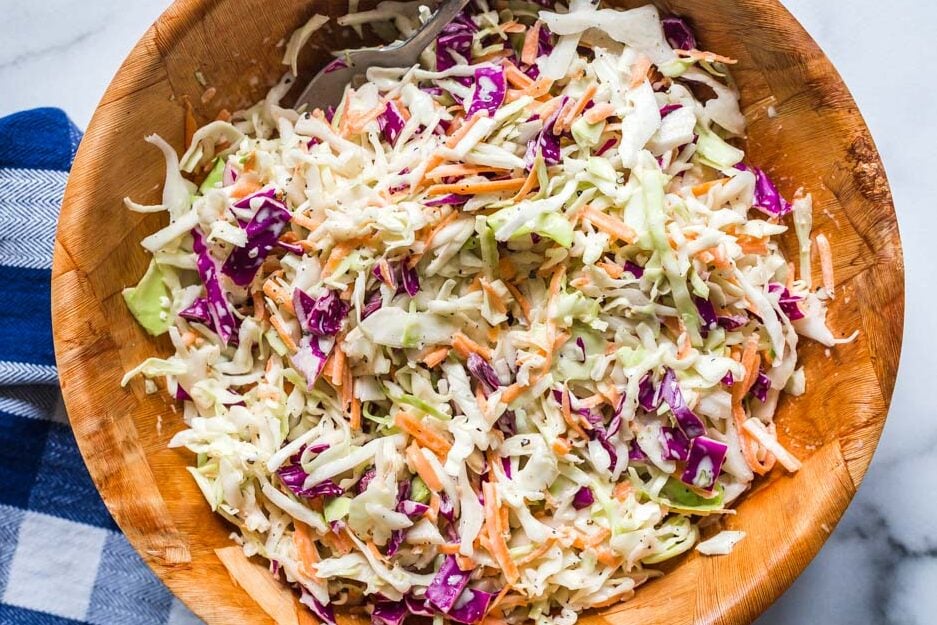
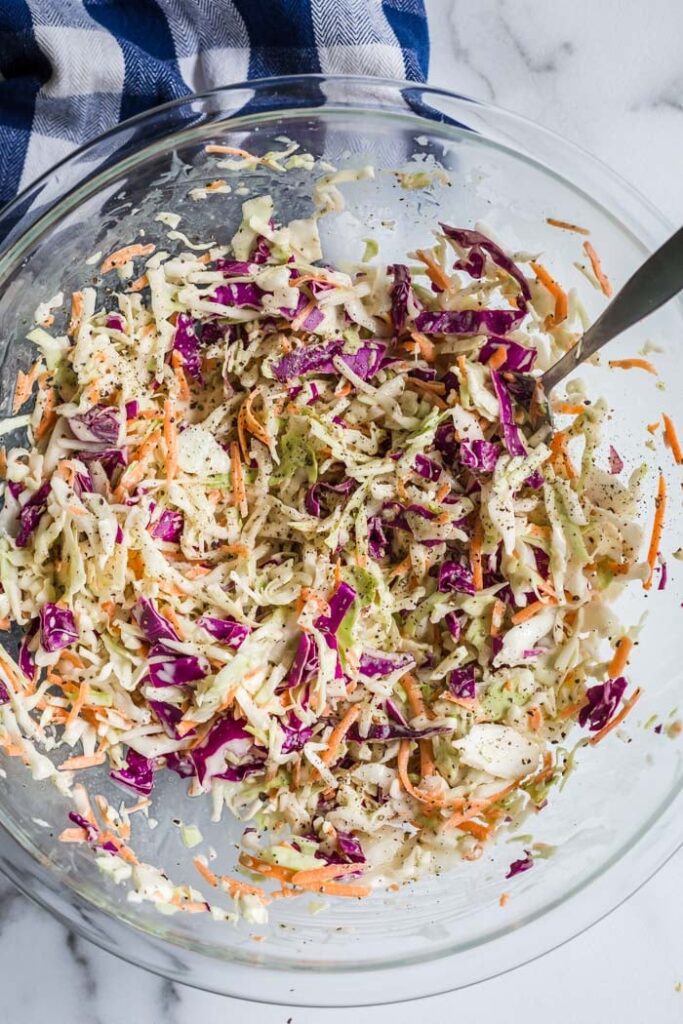
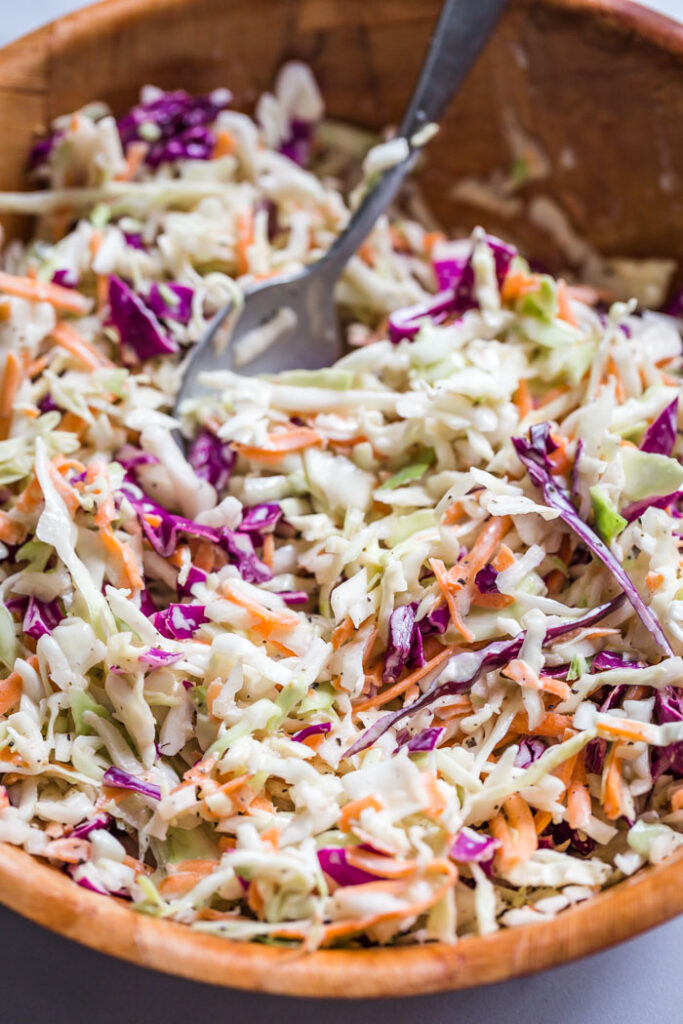
At Sustainable Action Now, the conversation around food has never simply been about recipes alone. It has always centered on accessibility, sustainability, plant-based innovation, conscious eating, and creating meals that feel deeply satisfying without unnecessary complexity. That is exactly why the modern vegan coleslaw movement has exploded into one of the defining food trends of contemporary plant-based summer cooking. What was once considered a basic picnic side dish has evolved into something far more versatile, elevated, and essential to modern vegan cuisine.
The newest wave of creamy vegan coleslaw recipes represents everything people increasingly want from seasonal cooking. Fast preparation. Minimal waste. Affordable ingredients. Big flavor. Adaptability. No unnecessary processing. No complicated culinary techniques. Just fresh ingredients transformed into something refreshing, tangy, creamy, crunchy, and endlessly usable across dozens of meals.
What makes the current resurgence of vegan coleslaw particularly interesting is how it reflects the broader evolution of plant-based eating itself. For years, vegan alternatives often attempted to imitate traditional comfort foods in ways that felt overly engineered or disconnected from the original experience. Today’s best plant-based recipes succeed because they focus on enhancing texture, freshness, acidity, balance, and ingredient quality rather than simply replacing animal-based products. Vegan coleslaw is one of the clearest examples of that shift.
The beauty of a properly made vegan coleslaw begins with balance. The crisp bite of shredded cabbage delivers freshness and crunch while carrots add natural sweetness and color. Red cabbage contributes depth and visual contrast, while the dressing creates the signature creamy tang that transforms simple vegetables into a complete dish. Vegan mayonnaise has dramatically improved in recent years, allowing dairy-free coleslaw to maintain the rich texture people expect without sacrificing flavor or consistency. When paired with apple cider vinegar, fresh lemon juice, maple syrup, cracked pepper, and a carefully balanced amount of salt, the result becomes something far more refined than the overly sweet or overly heavy supermarket slaws many people grew up with.
Part of the recipe’s growing popularity also comes from practicality. In a world increasingly dominated by expensive grocery bills and time constraints, people are actively seeking recipes that maximize efficiency without sacrificing quality. Vegan coleslaw accomplishes that almost perfectly. It requires no oven, no stovetop, virtually no cleanup, and only a handful of ingredients. Most versions can be prepared in ten minutes or less, making them ideal for everything from large outdoor gatherings to quick weeknight meals.
Even more importantly, coleslaw has quietly become one of the most versatile supporting dishes in modern plant-based cooking. While it absolutely succeeds as a standalone side, its real power comes from how many meals it enhances. A tangy slaw piled onto a smoky jackfruit barbecue sandwich adds brightness and crunch that balances rich flavors beautifully. Layered onto a grilled portobello mushroom burger, it introduces acidity and texture that elevate the entire sandwich. Served beside roasted vegetables, baked beans, corn dishes, vegan hot dogs, grilled tofu skewers, or black bean burgers, it immediately creates the atmosphere of a complete summer meal.
That versatility is one of the reasons vegan coleslaw has become increasingly central to sustainable food culture. Recipes that can serve multiple purposes reduce waste, streamline meal prep, and encourage people to use ingredients more efficiently throughout the week. A single bowl of slaw can appear at lunch, dinner, picnics, cookouts, and even quick snack plates over multiple days. In an era where sustainability conversations increasingly intersect with food systems, recipes that support flexible, low-waste cooking naturally gain traction.
Another major reason this style of coleslaw continues gaining momentum is ingredient accessibility. One of the biggest misconceptions surrounding plant-based cooking is that it requires specialty ingredients or expensive grocery shopping. Vegan coleslaw proves the exact opposite. Most versions rely almost entirely on common pantry staples and readily available produce. Pre-shredded coleslaw mix dramatically reduces preparation time while also helping people avoid purchasing full heads of cabbage that may go unused. Vegan mayonnaise is now widely available across mainstream grocery retailers, while maple syrup, vinegar, and lemon juice already exist in many kitchens.
This accessibility matters because truly sustainable eating must also be realistic. Recipes only become transformative when people can actually make them consistently. A recipe that requires obscure ingredients, expensive substitutions, or complicated preparation techniques often fails to become part of daily life. Vegan coleslaw succeeds because it removes those barriers almost entirely.
The texture profile is another major part of its appeal. Great coleslaw delivers contrast in every bite. The crunch of cabbage. The creaminess of the dressing. The sharpness of vinegar. The subtle sweetness from maple syrup or carrots. The brightness from citrus. When properly balanced, it creates a layered eating experience that feels simultaneously light and satisfying. That combination becomes especially important during hotter months when many people want meals that feel refreshing rather than heavy.
The modern vegan version also opens the door for significant customization. Some cooks prefer extra acidity and lean heavily into vinegar-based preparations. Others increase the creaminess for a richer texture closer to traditional deli-style slaw. Green onions add freshness and sharpness. Sunflower seeds introduce nuttiness and additional crunch. Some versions incorporate jalapeños for heat, fresh herbs for brightness, or even apples for sweetness and texture variation. Napa cabbage can create a softer, lighter version while purple cabbage intensifies visual appeal.
This adaptability reflects another important shift happening across contemporary food culture: personalization. Today’s home cooks increasingly treat recipes as foundations rather than rigid formulas. Vegan coleslaw works perfectly within that mindset because it invites experimentation without becoming difficult to execute.
The timing of the recipe’s popularity also aligns perfectly with larger summer cooking trends. Backyard entertaining has surged dramatically over the past several years as people increasingly prioritize informal gatherings and home-centered social experiences. Potlucks, cookouts, outdoor concerts, tailgates, block parties, and community events all rely heavily on dishes that transport well, scale easily, and hold up during serving. Coleslaw checks every one of those boxes.
Unlike many summer sides that deteriorate quickly outdoors, coleslaw often improves slightly after chilling as the flavors meld together. The tanginess deepens. The dressing settles into the vegetables. The texture softens just enough without becoming soggy when prepared properly. This makes it ideal for advance preparation and large-group serving situations where convenience matters.
From a sustainability standpoint, plant-based side dishes like vegan coleslaw also contribute to a broader rethinking of traditional barbecue culture. Summer gatherings have historically centered heavily around meat consumption, but contemporary outdoor dining increasingly embraces more diverse and environmentally conscious menus. Plant-based burgers, mushroom sandwiches, grilled vegetables, jackfruit barbecue, lentil salads, bean dishes, and dairy-free sides are no longer viewed as niche alternatives. They are becoming central components of mainstream summer cooking.
That evolution is especially important because side dishes often serve as the gateway into broader plant-based eating habits. Many people hesitant to completely change their diets are highly open to incorporating vegan-friendly recipes that feel familiar, approachable, and flavorful. Vegan coleslaw succeeds because it does not ask people to abandon comfort food traditions. Instead, it modernizes them in ways that feel natural and satisfying.
Another key factor behind the recipe’s continued momentum is its nutritional simplicity. Unlike highly processed convenience foods often associated with summer gatherings, coleslaw remains grounded in whole vegetables and relatively straightforward ingredients. Cabbage itself offers fiber, crunch, hydration, and important nutrients while remaining extremely affordable and widely available year-round. Carrots contribute additional vitamins and natural sweetness. Even the dressing, while creamy, can remain relatively balanced compared to many commercially prepared alternatives overloaded with sugar and preservatives.
This emphasis on uncomplicated food resonates strongly with current consumer preferences. More people are actively seeking recipes that feel cleaner, fresher, and less industrialized while still delivering comfort and indulgence. Vegan coleslaw lands directly in that space between health-conscious eating and classic cookout satisfaction.
One of the most overlooked aspects of great coleslaw is how it functions structurally within a meal. Rich foods need contrast. Smoky foods need brightness. Dense textures benefit from crunch and acidity. Coleslaw provides all three simultaneously. That is why it pairs so effectively with barbecue-inspired dishes and grilled foods. It resets the palate between bites while adding moisture and freshness.
For vegan cooking specifically, this balance becomes even more important because plant-based proteins often rely heavily on seasoning, smoke, spices, marinades, and umami-rich preparation methods. A cold, crisp slaw cuts through those flavors beautifully while adding its own distinct personality to the plate.
At Sustainable Action Now, recipes like this represent something larger than seasonal cooking trends alone. They reflect the growing understanding that sustainable eating does not require sacrificing flavor, convenience, or comfort. Some of the most effective plant-based recipes are the ones that integrate effortlessly into everyday life while still feeling exciting enough to share with others.
That is exactly why vegan coleslaw continues emerging as one of the defining side dishes of modern summer food culture. It is inexpensive without feeling basic. Fast without feeling lazy. Simple without feeling boring. Familiar while still feeling contemporary. It captures everything people increasingly want from modern home cooking: accessibility, flexibility, freshness, sustainability, and genuine flavor.
As summer gatherings continue evolving toward more inclusive and plant-forward menus, recipes like this are no longer secondary additions to the table. They are becoming foundational pieces of how people cook, entertain, and eat together during the warmest months of the year. Whether served beside smoky jackfruit sandwiches, stacked onto mushroom burgers, spooned over tacos, paired with grilled vegetables, or enjoyed straight from the bowl during a backyard cookout, vegan coleslaw has fully cemented itself as one of the modern season’s most reliable and versatile essentials.
And perhaps most importantly, it proves that some of the best sustainable recipes are not the most complicated ones. Sometimes the dishes people return to most are the ones that combine a few honest ingredients, strong flavor balance, minimal waste, and enough versatility to become part of everyday life long after summer ends.
This easy vegan coleslaw comes together in just 10 minutes with a creamy, tangy dressing. Perfect for BBQs, potlucks, and summer meals – or pile it on sandwiches and burgers! Author Brita Britnell – The Easy Vegan Coleslaw Recipe is a Food with Feeling Recipe.
Course Side Dish
Cuisine American
Diet Vegan, Vegetarian
Prep Time 10minutes minutes
Total Time 10minutes minutes
Servings 6 servings
Calories 140kcal
Ingredients
- 1 package of coleslaw mix roughly 14 ounces
- ½ cup vegan mayo
- 2 tablespoons maple syrup
- 1 tablespoon apple cider vinegar
- 1 ½ tablespoons lemon juice
- ½ teaspoon freshly ground black pepper
- salt to taste I like to add more salt depending on how salty the mayo is
Instructions
- In a large bowl, whisk together the mayo, maple syrup, apple cider vinegar, lemon juice, salt and pepper.
- Add in the coleslaw mix and stir until everything is coated in the coleslaw dressing.
- Serve right away and store leftovers in the fridge. This doesn’t keep for long and if you’re planning to make it for a party, I suggest waiting to mix everything together until soon before serving. ENJOY!
Notes
As desired, you can certainly make your own mix by shredding together 1/3 carrots to 1/3 red cabbage to 1/3 green cabbage!
Storage – Store leftover coleslaw in an airtight container in the fridge for up to 2 days. It will soften as it sits, so for best texture, keep the dressing separate if you’re planning to make it ahead and mix just before serving.
Nutrition
Calories: 140kcal | Carbohydrates: 6g | Protein: 0.03g | Fat: 12g | Saturated Fat: 1g | Polyunsaturated Fat: 0.002g | Monounsaturated Fat: 0.002g | Sodium: 107mg | Potassium: 23mg | Fiber: 0.1g | Sugar: 4g | Vitamin A: 1IU | Vitamin C: 2mg | Calcium: 8mg | Iron: 0.03mg
Vegan Cornbread Is Redefining Comfort Food for a New Generation of Sustainable Home Cooking
Few foods carry the emotional weight and cultural familiarity of cornbread. The aroma alone can instantly transform a kitchen into something warmer, slower, and deeply comforting. It belongs beside steaming bowls of chili, smoky barbecue platters, rich bean dishes, holiday tables, backyard cookouts, and weeknight dinners that need one final element to feel complete. Cornbread has always occupied a unique place in American food culture because it bridges simplicity and satisfaction so effortlessly. Now, as plant-based cooking continues evolving into something more refined, accessible, and mainstream, vegan cornbread is emerging as one of the most important examples of how classic comfort food can be modernized without losing its soul.
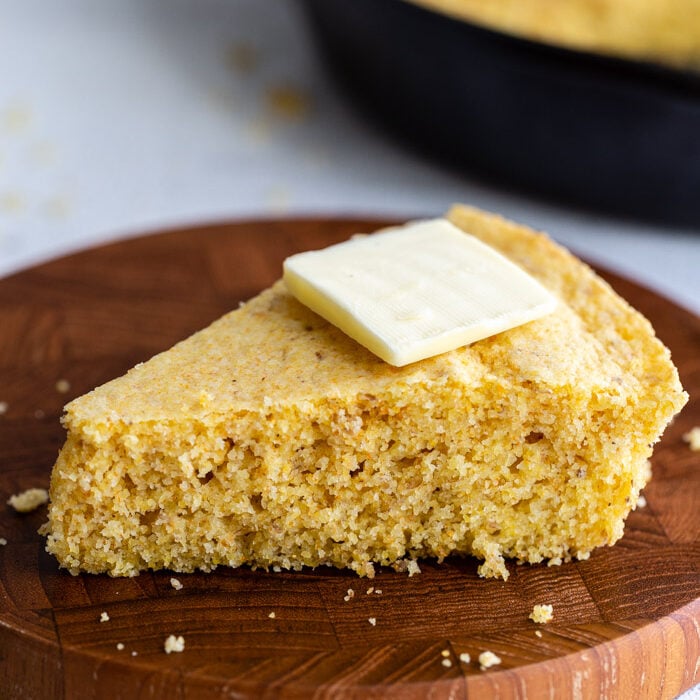
At Sustainable Action Now, food has never simply been about recipes in isolation. It is about how cooking reflects larger cultural shifts toward sustainability, accessibility, conscious consumption, and creating meals that people genuinely want to return to repeatedly. Vegan cornbread sits directly at the intersection of those conversations because it proves something many skeptics of plant-based cooking still fail to understand: the best vegan recipes do not feel like substitutes. They feel like great food, period.
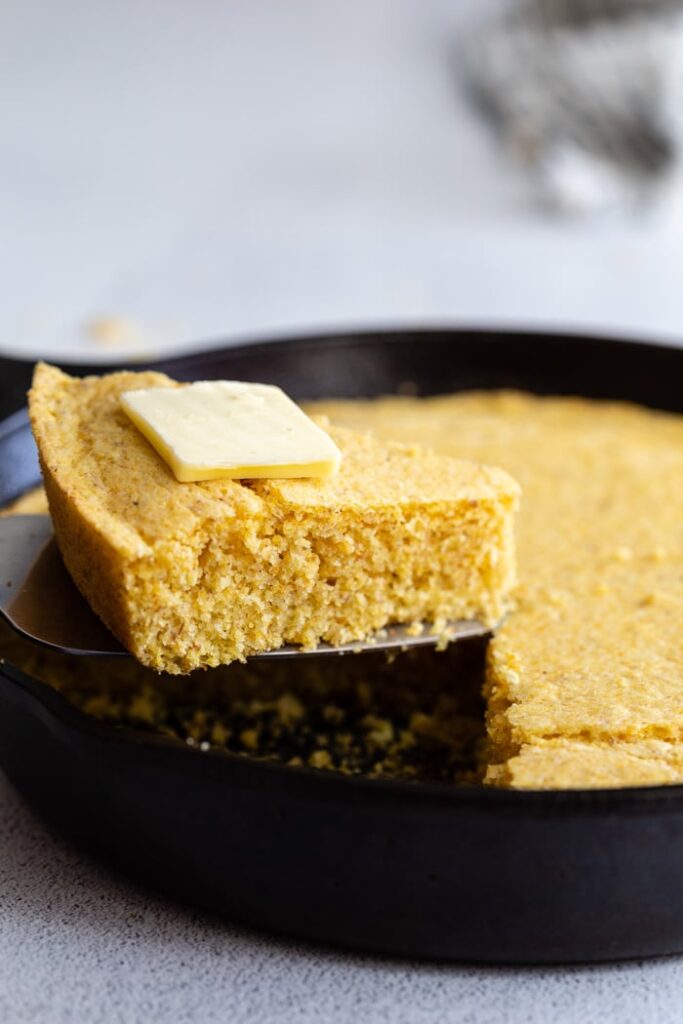
That distinction matters enormously because comfort food carries emotional expectations. People do not approach cornbread looking for compromise. They expect richness, texture, warmth, and familiarity. They expect crisp golden edges, a soft center, and just enough sweetness to balance savory dishes without overpowering them. A successful vegan cornbread recipe has to deliver every one of those qualities while eliminating traditional dairy and eggs entirely. The fact that modern plant-based cornbread now accomplishes that so effectively says a great deal about how far contemporary vegan cooking has progressed.
The rise of skillet-baked vegan cornbread also reflects a broader culinary movement away from overly processed alternatives and toward ingredient-focused home cooking built on pantry staples and foundational techniques. This is not a recipe dependent on artificial replacements or difficult specialty products. Instead, it relies on simple ingredients used intelligently. Cornmeal. Flour. Plant-based milk. Oil or vegan butter. Baking powder. Flax eggs. Salt. Sweetener. These are humble components individually, but together they create something deeply satisfying and universally approachable.
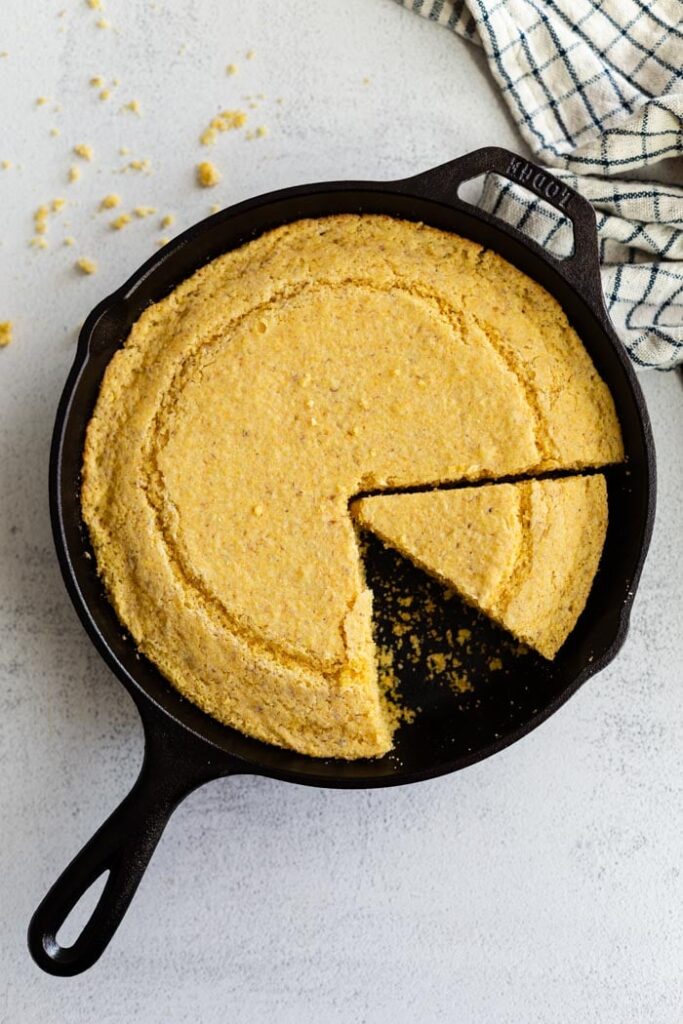
What elevates this particular style of cornbread is the skillet itself. Cast iron cooking has experienced a major revival in recent years, and for good reason. A properly heated skillet transforms cornbread structurally. The batter immediately begins crisping when it hits the hot pan, creating the signature golden crust that separates exceptional cornbread from average versions baked in ordinary pans. That contrast between crisp edges and soft interior becomes one of the defining pleasures of the dish.
There is also something deeply authentic about skillet cornbread that resonates strongly with contemporary home cooks. In an era increasingly dominated by disposable kitchen culture and convenience-driven shortcuts, cast iron represents durability, longevity, and intentional cooking. It connects modern recipes to generations of traditional preparation while still fitting perfectly into contemporary plant-based kitchens.
The texture profile of great vegan cornbread is especially important because texture is often where many dairy-free baked goods struggle. Traditional cornbread relies heavily on eggs and dairy for richness and structure, yet modern vegan adaptations have become remarkably sophisticated. Flax eggs provide binding and moisture while plant-based milk creates tenderness without compromising flavor. The result, when executed properly, is a cornbread that feels remarkably close to traditional Southern-style preparations while remaining entirely plant-based.
What is especially interesting about vegan cornbread’s growing popularity is how effectively it appeals beyond vegan audiences. Unlike recipes that position themselves primarily as alternatives, cornbread naturally lends itself to adaptation because its flavor identity is rooted more heavily in cornmeal, texture, and baking technique than in dairy itself. When made properly, most people would never identify it as vegan unless told directly. That broad accessibility is one of the reasons recipes like this are becoming foundational to mainstream sustainable cooking rather than remaining niche specialty dishes.
The flavor balance is another critical part of the recipe’s success. Modern cornbread preferences increasingly favor moderation over extremes. Some traditional recipes lean heavily savory while others become almost cake-like in sweetness. The most effective contemporary versions exist somewhere in between, offering subtle sweetness that enhances the corn flavor without overwhelming the dish’s versatility. This balance allows the cornbread to pair seamlessly with both savory and lightly sweet accompaniments.
That versatility is one of cornbread’s greatest strengths. It functions equally well as a side dish, snack, breakfast item, or standalone comfort food. Served warm beside smoky vegan chili, it becomes deeply hearty and satisfying. Paired with barbecue jackfruit sandwiches, black-eyed peas, collard greens, or baked beans, it anchors a complete Southern-inspired meal. Topped with vegan butter and maple syrup, it transforms into a breakfast centerpiece. Crumbled into stuffing, soups, or casseroles, it gains entirely new culinary life.
This adaptability aligns perfectly with the broader goals of sustainable cooking because versatile recipes reduce waste and encourage ingredient efficiency. A single skillet of cornbread can support multiple meals across several days without feeling repetitive. In a time where households are increasingly conscious of grocery budgets and food waste, recipes that maximize utility while remaining genuinely enjoyable become especially valuable.
Another major reason vegan cornbread continues gaining momentum is its accessibility for home cooks of all skill levels. Baking often intimidates people because of its precision, but cornbread occupies a more forgiving category than many traditional baked goods. It does not require advanced technique, elaborate equipment, or complicated timing. Most versions come together in a single bowl or two at most, making cleanup minimal and preparation approachable even for inexperienced cooks.
That simplicity is essential because sustainable home cooking only becomes meaningful when it feels realistic for everyday life. Recipes burdened by complexity often fail to become habitual. Cornbread succeeds because it feels manageable while still delivering emotional satisfaction and visual appeal. Pulling a golden skillet of freshly baked cornbread from the oven creates an experience that feels both nostalgic and rewarding.
Customization is another major factor driving the recipe’s widespread appeal. Vegan cornbread functions beautifully as a foundational canvas for countless additions and variations. Jalapeños add heat and brightness. Whole corn kernels introduce sweetness and texture. Vegan cheddar creates richness and depth. Fresh herbs add freshness and aromatic complexity. Scallions, roasted garlic, smoked paprika, green chiles, nutritional yeast, or even diced peppers can all transform the flavor profile while preserving the dish’s essential identity.
This flexibility reflects the larger evolution of modern recipe culture. Today’s home cooks increasingly view recipes as adaptable frameworks rather than rigid instructions. People want dishes they can personalize using seasonal ingredients, dietary preferences, or whatever happens to already exist in their kitchens. Vegan cornbread thrives in that environment because its structure remains reliable even with significant customization.
The emotional connection people have with cornbread also contributes heavily to its continued relevance. Food traditions matter because they create continuity between generations, regions, and experiences. Cornbread carries historical significance throughout American culinary culture, particularly across Southern cooking traditions where it has long functioned as both staple and symbol. Modern vegan adaptations allow those traditions to evolve while remaining recognizable and emotionally resonant.
That evolution is important because sustainable food culture cannot succeed solely through novelty. It must also preserve comfort, familiarity, and emotional accessibility. People are far more likely to embrace plant-based cooking when it feels connected to foods they already love rather than entirely disconnected replacements. Vegan cornbread achieves that balance exceptionally well.
There is also a broader cultural shift happening around what defines indulgence and comfort in contemporary cooking. Increasingly, people want recipes that feel wholesome without feeling restrictive, nostalgic without feeling outdated, and comforting without requiring excessive processing or heaviness. Vegan cornbread captures all of those qualities simultaneously. It feels hearty and rich while still aligning with more conscious eating habits and modern ingredient preferences.
The nutritional advantages further reinforce its appeal. By eliminating dairy and eggs, vegan cornbread becomes accessible to broader audiences while often reducing saturated fat depending on preparation choices. Plant-based milks and flax eggs introduce alternative nutritional benefits while maintaining the texture and structure people expect. The dish remains indulgent enough to satisfy comfort food cravings while still fitting comfortably within more balanced dietary patterns.
At Sustainable Action Now, recipes like this represent more than isolated food trends. They represent a larger transformation happening throughout home kitchens everywhere. Plant-based cooking is no longer defined by limitation or substitution alone. It is increasingly driven by flavor, texture, practicality, and culinary creativity. Vegan cornbread demonstrates how traditional recipes can evolve naturally alongside changing values without losing the qualities that made them beloved in the first place.
Perhaps most importantly, skillet vegan cornbread succeeds because it feels honest. It does not attempt to reinvent comfort food entirely. Instead, it refines and modernizes it thoughtfully. The crisp edges still crackle. The center remains moist and fluffy. The aroma still fills the kitchen with warmth and anticipation. The experience remains deeply recognizable while quietly reflecting a more sustainable and inclusive approach to cooking.
As plant-forward cuisine continues becoming central to mainstream food culture rather than existing on its margins, recipes like vegan cornbread will continue playing an important role because they bridge generations of culinary tradition with the realities of modern eating. They prove that sustainability and comfort are not opposing ideas. Simplicity and sophistication can coexist. Familiar dishes can still evolve.
And in a world increasingly searching for food that feels meaningful, approachable, and genuinely satisfying, a golden skillet of warm vegan cornbread may be one of the clearest examples yet of where the future of comfort cooking is heading.
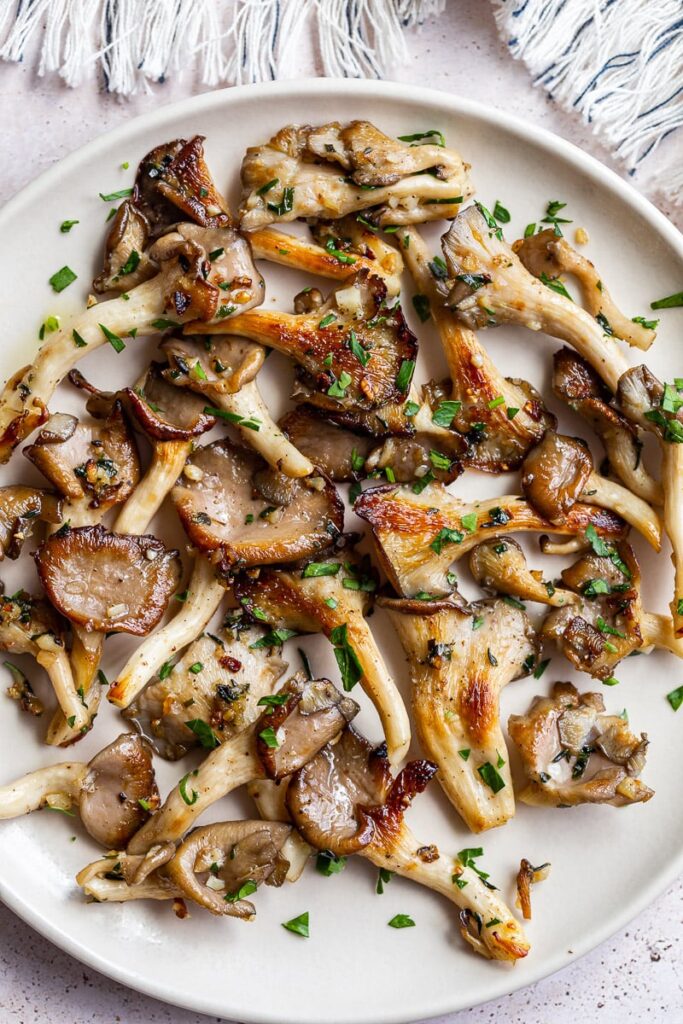
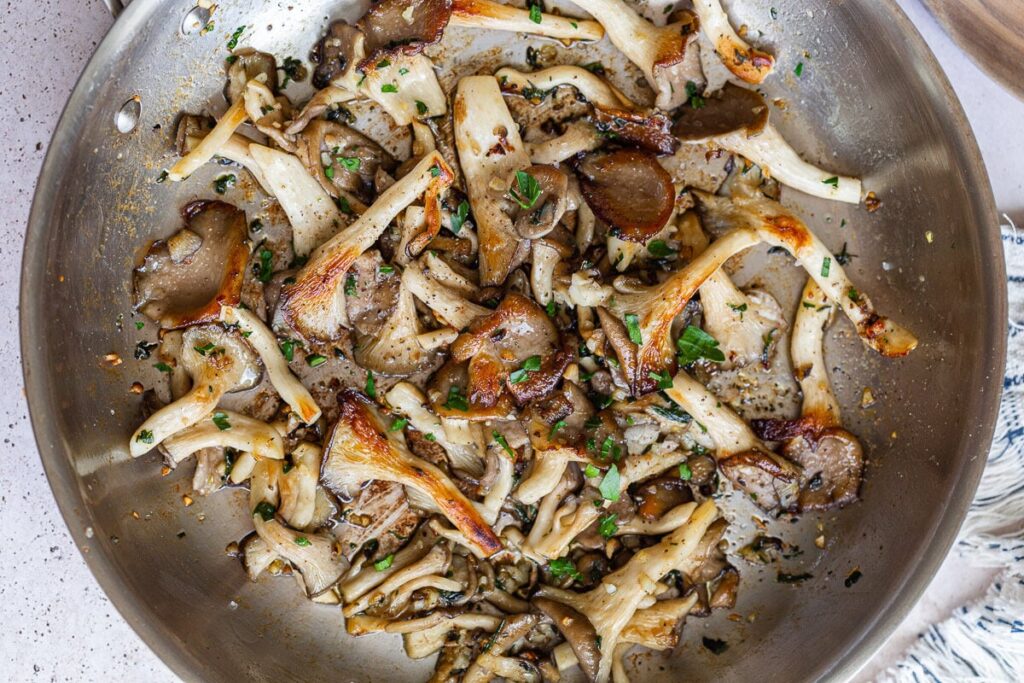
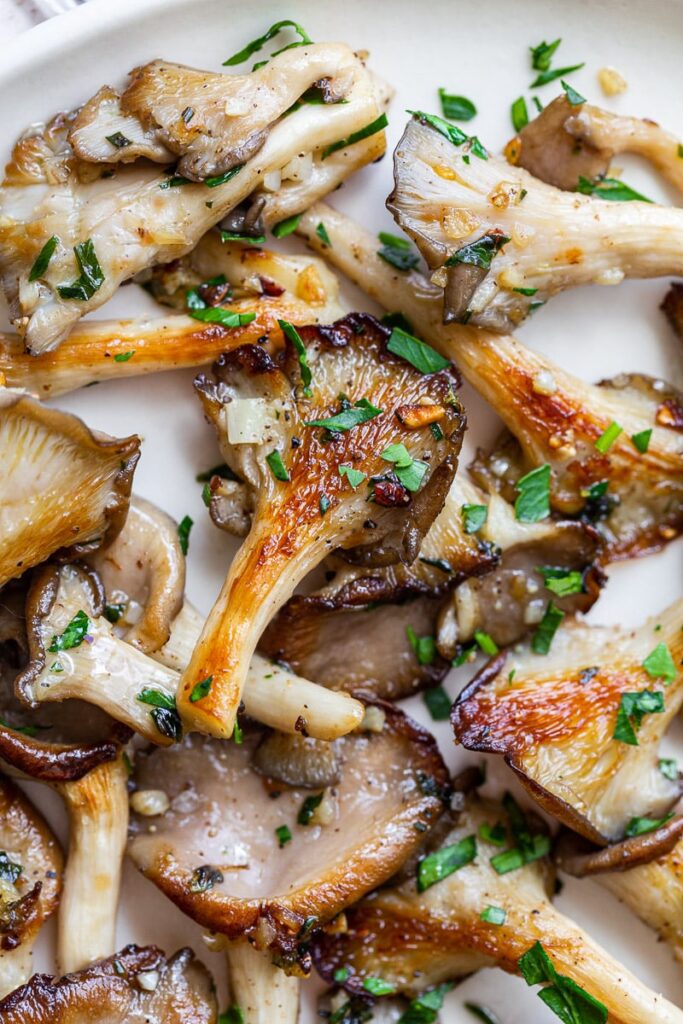
Garlic Butter Oyster Mushrooms are sautéed in a buttery garlic mixture until tender and loaded with incredible savory flavor! This easy oyster mushroom recipe is the perfect side dish to almost any entrée and takes just 10 minutes to cook. Author Brita Britnell – The Garlic Butter Oyster Mushrooms is a Food with Feeling Recipe.
Course Side
Cuisine American
Diet Vegan, Vegetarian
Prep Time 5 minutes minutes
Cook Time 10 minutes minutes
Total Time 15 minutes minutes
Servings 4 servings
Calories 147kcal
Ingredients
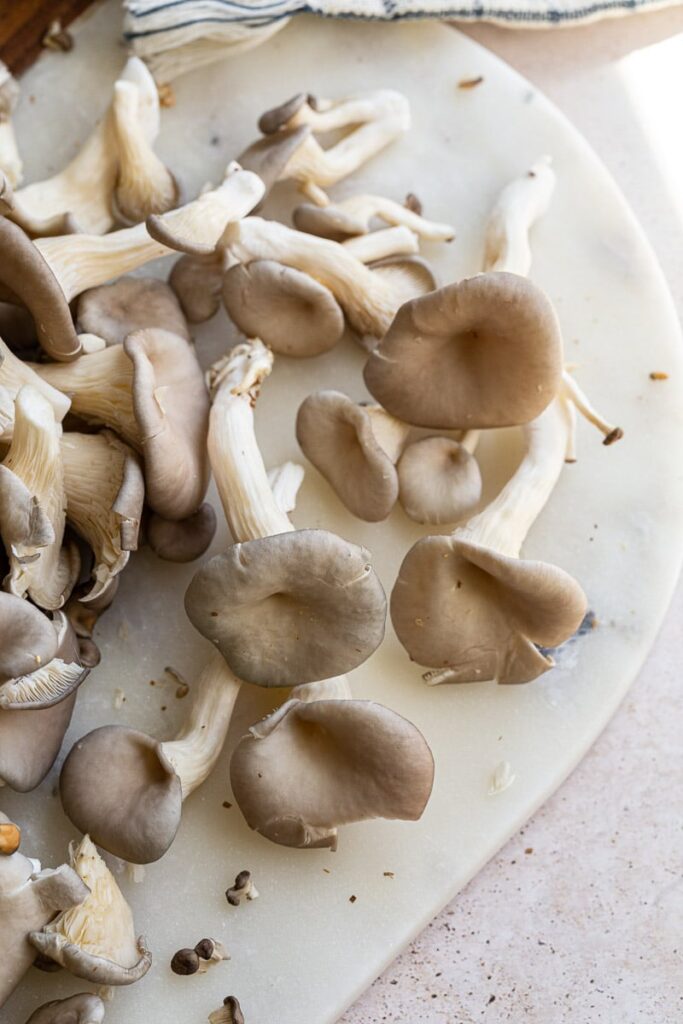
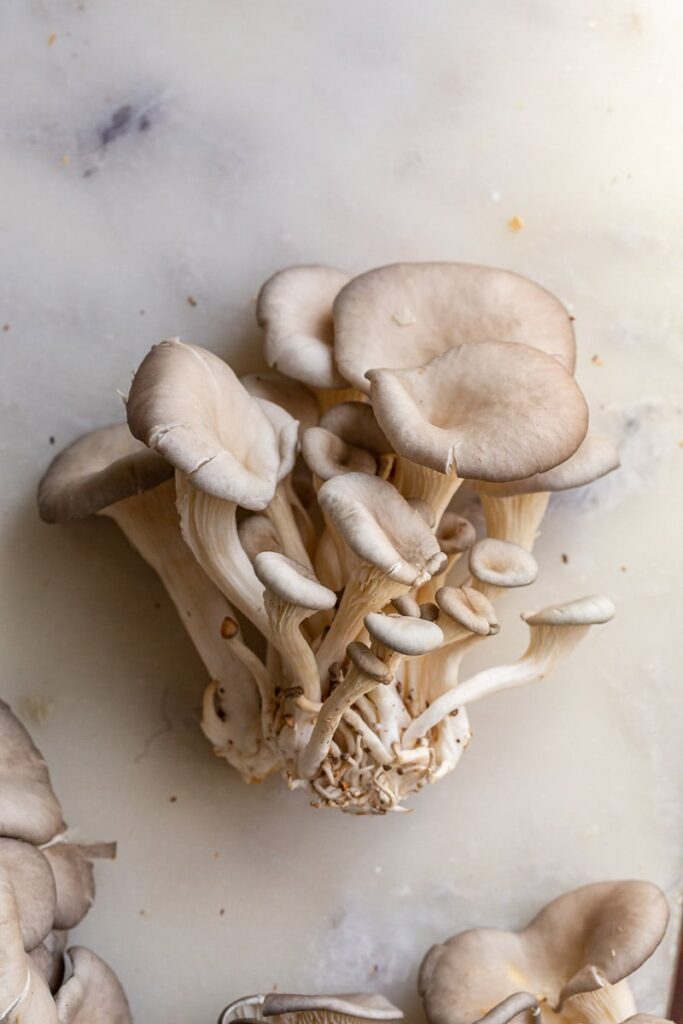
- 1 pound oyster mushrooms sliced or whole
- 3 tablespoons unsalted butter vegan as desired
- 1 tablespoon olive oil
- 3 large cloves of garlic minced or pressed
- 1 tablespoon fresh parsley chopped
- Optional splash of white wine I usually do about 1 tablespoon but you can simply leave it out
- Salt and pepper to taste
Instructions
- If you haven’t already done so, start by cleaning the mushrooms. Take a wet paper towel and gently wipe off any dirt from the mushrooms. You do NOT want to rinse them because they absorb water easily and will turn out too chewy when cooked. Slice as desired.
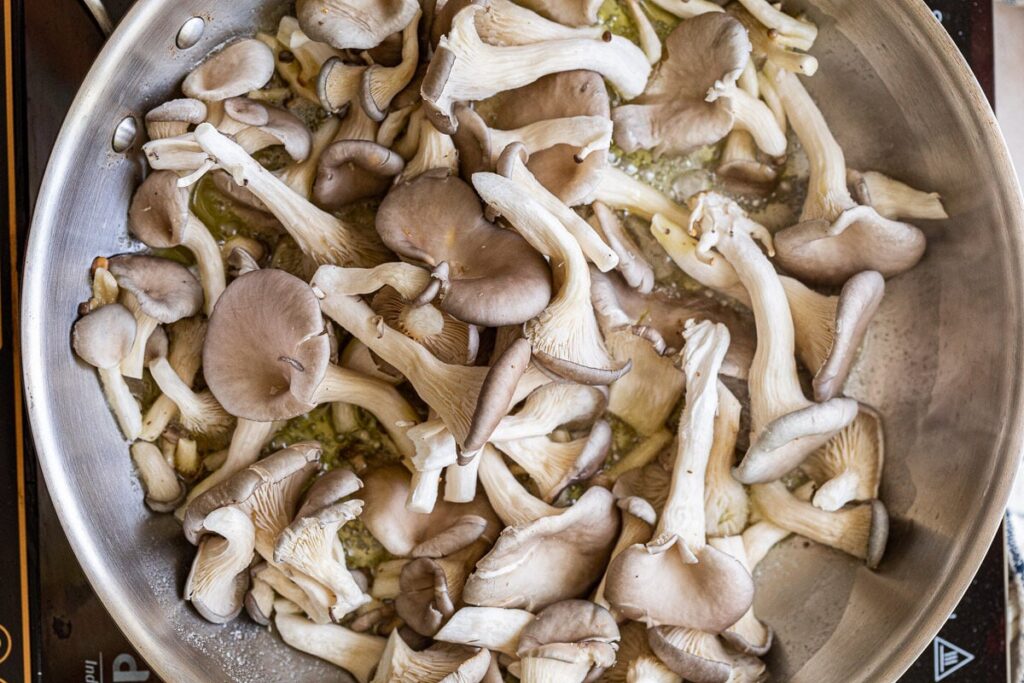
- In a large skillet over medium heat, heat the butter and olive oil. Once hot, add in the mushrooms in an even layer. Let the mushrooms sit on medium heat and do not touch them for about 3 minutes. This will create some nice caramelization around the edges of the mushrooms. Stir and cook for 2 more minutes.
- Pour in the wine, if using, and cook for an additional 2 minutes. Stir in the garlic and parsley and cook for 1 additional minute.
- Season to taste with salt and pepper. Serve and ENJOY!
Notes
- Prep before cooking. This recipe moves quickly. It’s a good idea to have your ingredients measured and chopped before heating your pan.
- Storing. Sautéed oyster mushrooms are best enjoyed immediately. However, if you have leftovers, place them in an airtight container in the refrigerator for up to 3 days.
- Be patient. When you add the mushrooms to the pan, let them cook for about 3 minutes without stirring or moving them around. This will help to caramelize the edges of the mushrooms for maximum flavor.
Variation ideas:
- Spicy. Add 1/4 teaspoon crushed red pepper flakes.
- Herbs. I typically use fresh parsley in this recipe, but other great options are dill, chives or thyme leaves.
- Cheese. Stir in 2 to 4 tablespoons grated parmesan cheese before serving.
- Onions. Add 1 thinly sliced onion when you put the mushrooms in the pan to cook.
Nutrition
Calories: 147kcal | Carbohydrates: 8g | Protein: 4g | Fat: 13g | Saturated Fat: 6g | Polyunsaturated Fat: 1g | Monounsaturated Fat: 5g | Trans Fat: 0.3g | Cholesterol: 23mg | Sodium: 23mg | Potassium: 493mg | Fiber: 3g | Sugar: 1g | Vitamin A: 401IU | Vitamin C: 2mg | Calcium: 11mg | Iron: 2mg
The Garlic Butter Oyster Mushrooms is a Food with Feeling Recipe.
Vegan Cornbread Is Redefining Comfort Food for a New Generation of Sustainable Home Cooking
Few foods carry the emotional weight and cultural familiarity of cornbread. The aroma alone can instantly transform a kitchen into something warmer, slower, and deeply comforting. It belongs beside steaming bowls of chili, smoky barbecue platters, rich bean dishes, holiday tables, backyard cookouts, and weeknight dinners that need one final element to feel complete. Cornbread has always occupied a unique place in American food culture because it bridges simplicity and satisfaction so effortlessly. Now, as plant-based cooking continues evolving into something more refined, accessible, and mainstream, vegan cornbread is emerging as one of the most important examples of how classic comfort food can be modernized without losing its soul.
At Sustainable Action Now, food has never simply been about recipes in isolation. It is about how cooking reflects larger cultural shifts toward sustainability, accessibility, conscious consumption, and creating meals that people genuinely want to return to repeatedly. Vegan cornbread sits directly at the intersection of those conversations because it proves something many skeptics of plant-based cooking still fail to understand: the best vegan recipes do not feel like substitutes. They feel like great food, period.
That distinction matters enormously because comfort food carries emotional expectations. People do not approach cornbread looking for compromise. They expect richness, texture, warmth, and familiarity. They expect crisp golden edges, a soft center, and just enough sweetness to balance savory dishes without overpowering them. A successful vegan cornbread recipe has to deliver every one of those qualities while eliminating traditional dairy and eggs entirely. The fact that modern plant-based cornbread now accomplishes that so effectively says a great deal about how far contemporary vegan cooking has progressed.
The rise of skillet-baked vegan cornbread also reflects a broader culinary movement away from overly processed alternatives and toward ingredient-focused home cooking built on pantry staples and foundational techniques. This is not a recipe dependent on artificial replacements or difficult specialty products. Instead, it relies on simple ingredients used intelligently. Cornmeal. Flour. Plant-based milk. Oil or vegan butter. Baking powder. Flax eggs. Salt. Sweetener. These are humble components individually, but together they create something deeply satisfying and universally approachable.
What elevates this particular style of cornbread is the skillet itself. Cast iron cooking has experienced a major revival in recent years, and for good reason. A properly heated skillet transforms cornbread structurally. The batter immediately begins crisping when it hits the hot pan, creating the signature golden crust that separates exceptional cornbread from average versions baked in ordinary pans. That contrast between crisp edges and soft interior becomes one of the defining pleasures of the dish.
There is also something deeply authentic about skillet cornbread that resonates strongly with contemporary home cooks. In an era increasingly dominated by disposable kitchen culture and convenience-driven shortcuts, cast iron represents durability, longevity, and intentional cooking. It connects modern recipes to generations of traditional preparation while still fitting perfectly into contemporary plant-based kitchens.
The texture profile of great vegan cornbread is especially important because texture is often where many dairy-free baked goods struggle. Traditional cornbread relies heavily on eggs and dairy for richness and structure, yet modern vegan adaptations have become remarkably sophisticated. Flax eggs provide binding and moisture while plant-based milk creates tenderness without compromising flavor. The result, when executed properly, is a cornbread that feels remarkably close to traditional Southern-style preparations while remaining entirely plant-based.
What is especially interesting about vegan cornbread’s growing popularity is how effectively it appeals beyond vegan audiences. Unlike recipes that position themselves primarily as alternatives, cornbread naturally lends itself to adaptation because its flavor identity is rooted more heavily in cornmeal, texture, and baking technique than in dairy itself. When made properly, most people would never identify it as vegan unless told directly. That broad accessibility is one of the reasons recipes like this are becoming foundational to mainstream sustainable cooking rather than remaining niche specialty dishes.
The flavor balance is another critical part of the recipe’s success. Modern cornbread preferences increasingly favor moderation over extremes. Some traditional recipes lean heavily savory while others become almost cake-like in sweetness. The most effective contemporary versions exist somewhere in between, offering subtle sweetness that enhances the corn flavor without overwhelming the dish’s versatility. This balance allows the cornbread to pair seamlessly with both savory and lightly sweet accompaniments.
That versatility is one of cornbread’s greatest strengths. It functions equally well as a side dish, snack, breakfast item, or standalone comfort food. Served warm beside smoky vegan chili, it becomes deeply hearty and satisfying. Paired with barbecue jackfruit sandwiches, black-eyed peas, collard greens, or baked beans, it anchors a complete Southern-inspired meal. Topped with vegan butter and maple syrup, it transforms into a breakfast centerpiece. Crumbled into stuffing, soups, or casseroles, it gains entirely new culinary life.
This adaptability aligns perfectly with the broader goals of sustainable cooking because versatile recipes reduce waste and encourage ingredient efficiency. A single skillet of cornbread can support multiple meals across several days without feeling repetitive. In a time where households are increasingly conscious of grocery budgets and food waste, recipes that maximize utility while remaining genuinely enjoyable become especially valuable.
Another major reason vegan cornbread continues gaining momentum is its accessibility for home cooks of all skill levels. Baking often intimidates people because of its precision, but cornbread occupies a more forgiving category than many traditional baked goods. It does not require advanced technique, elaborate equipment, or complicated timing. Most versions come together in a single bowl or two at most, making cleanup minimal and preparation approachable even for inexperienced cooks.
That simplicity is essential because sustainable home cooking only becomes meaningful when it feels realistic for everyday life. Recipes burdened by complexity often fail to become habitual. Cornbread succeeds because it feels manageable while still delivering emotional satisfaction and visual appeal. Pulling a golden skillet of freshly baked cornbread from the oven creates an experience that feels both nostalgic and rewarding.
Customization is another major factor driving the recipe’s widespread appeal. Vegan cornbread functions beautifully as a foundational canvas for countless additions and variations. Jalapeños add heat and brightness. Whole corn kernels introduce sweetness and texture. Vegan cheddar creates richness and depth. Fresh herbs add freshness and aromatic complexity. Scallions, roasted garlic, smoked paprika, green chiles, nutritional yeast, or even diced peppers can all transform the flavor profile while preserving the dish’s essential identity.
This flexibility reflects the larger evolution of modern recipe culture. Today’s home cooks increasingly view recipes as adaptable frameworks rather than rigid instructions. People want dishes they can personalize using seasonal ingredients, dietary preferences, or whatever happens to already exist in their kitchens. Vegan cornbread thrives in that environment because its structure remains reliable even with significant customization.
The emotional connection people have with cornbread also contributes heavily to its continued relevance. Food traditions matter because they create continuity between generations, regions, and experiences. Cornbread carries historical significance throughout American culinary culture, particularly across Southern cooking traditions where it has long functioned as both staple and symbol. Modern vegan adaptations allow those traditions to evolve while remaining recognizable and emotionally resonant.
That evolution is important because sustainable food culture cannot succeed solely through novelty. It must also preserve comfort, familiarity, and emotional accessibility. People are far more likely to embrace plant-based cooking when it feels connected to foods they already love rather than entirely disconnected replacements. Vegan cornbread achieves that balance exceptionally well.
There is also a broader cultural shift happening around what defines indulgence and comfort in contemporary cooking. Increasingly, people want recipes that feel wholesome without feeling restrictive, nostalgic without feeling outdated, and comforting without requiring excessive processing or heaviness. Vegan cornbread captures all of those qualities simultaneously. It feels hearty and rich while still aligning with more conscious eating habits and modern ingredient preferences.
The nutritional advantages further reinforce its appeal. By eliminating dairy and eggs, vegan cornbread becomes accessible to broader audiences while often reducing saturated fat depending on preparation choices. Plant-based milks and flax eggs introduce alternative nutritional benefits while maintaining the texture and structure people expect. The dish remains indulgent enough to satisfy comfort food cravings while still fitting comfortably within more balanced dietary patterns.
At Sustainable Action Now, recipes like this represent more than isolated food trends. They represent a larger transformation happening throughout home kitchens everywhere. Plant-based cooking is no longer defined by limitation or substitution alone. It is increasingly driven by flavor, texture, practicality, and culinary creativity. Vegan cornbread demonstrates how traditional recipes can evolve naturally alongside changing values without losing the qualities that made them beloved in the first place.
Perhaps most importantly, skillet vegan cornbread succeeds because it feels honest. It does not attempt to reinvent comfort food entirely. Instead, it refines and modernizes it thoughtfully. The crisp edges still crackle. The center remains moist and fluffy. The aroma still fills the kitchen with warmth and anticipation. The experience remains deeply recognizable while quietly reflecting a more sustainable and inclusive approach to cooking.
As plant-forward cuisine continues becoming central to mainstream food culture rather than existing on its margins, recipes like vegan cornbread will continue playing an important role because they bridge generations of culinary tradition with the realities of modern eating. They prove that sustainability and comfort are not opposing ideas. Simplicity and sophistication can coexist. Familiar dishes can still evolve.
And in a world increasingly searching for food that feels meaningful, approachable, and genuinely satisfying, a golden skillet of warm vegan cornbread may be one of the clearest examples yet of where the future of comfort cooking is heading.
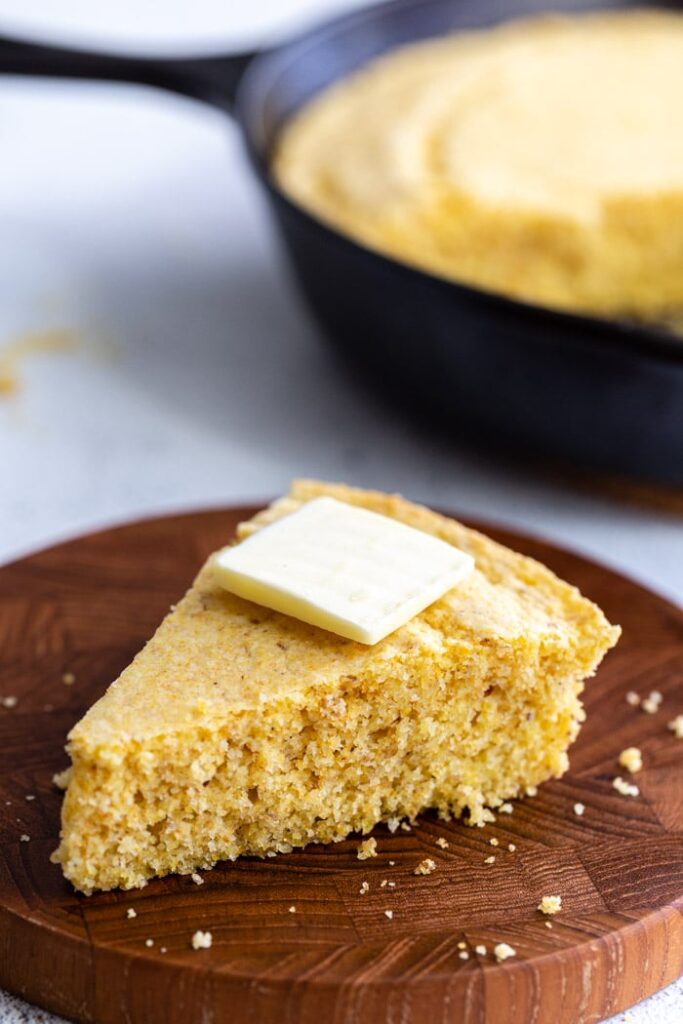
This simple Vegan Cornbread is golden, moist, and made right in a cast iron skillet. With no eggs or dairy, it comes together in about 35 minutes using simple pantry staples — and it’s SO good, no one will guess it’s vegan. Author Brita Britnell – The Vegan Cornbread (Moist, Easy & Made in a Skillet!) is a Food with Feeling Recipe.
Course bread
Cuisine American
Diet Vegan, Vegetarian
Prep Time 10 minutes minutes
Cook Time 25 minutes minutes
Total Time 35 minutes minutes
Servings 8 servings
Calories 208 kcal
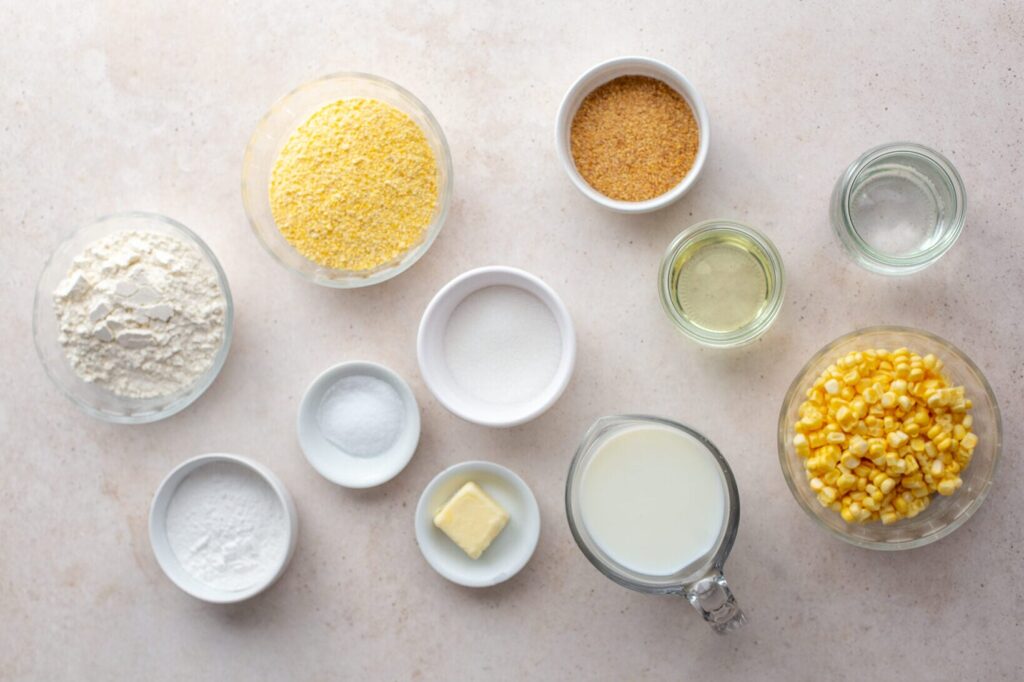
Ingredients
- 1 tablespoon vegan butter
- 1 cup all purpose flour
- ¾ cup good cornmeal
- 3 tablespoons sugar
- 2 ½ tablespoons baking powder
- 1 ½ teaspoons salt
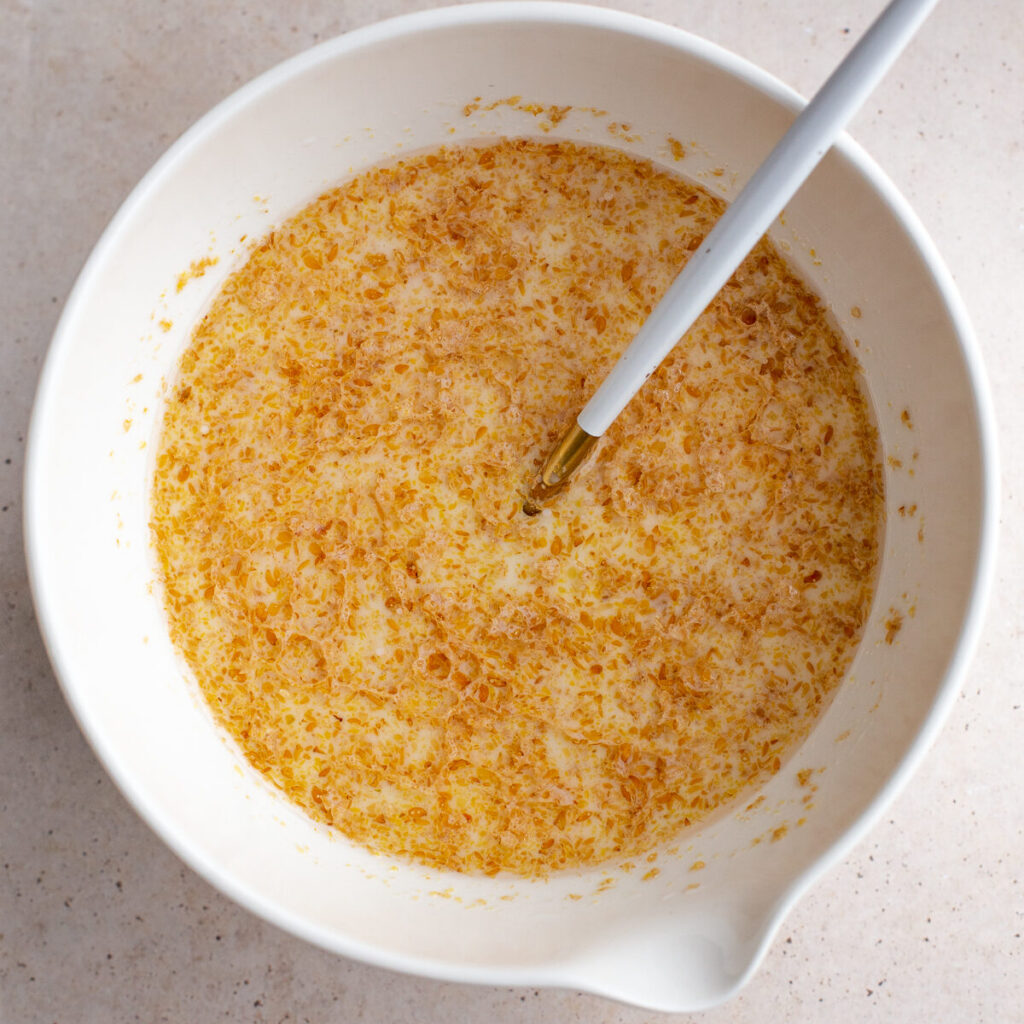
- 2 flax eggs 5 total tablespoons of water mixed with 2 total tablespoons of flaxseed meal
- 1 cup unflavored almond milk or other non dairy milk
- ¼ cup vegetable oil
- 1 cup sweet yellow corn optional*
Instructions
- Pre-heat the oven to 400 degrees F.
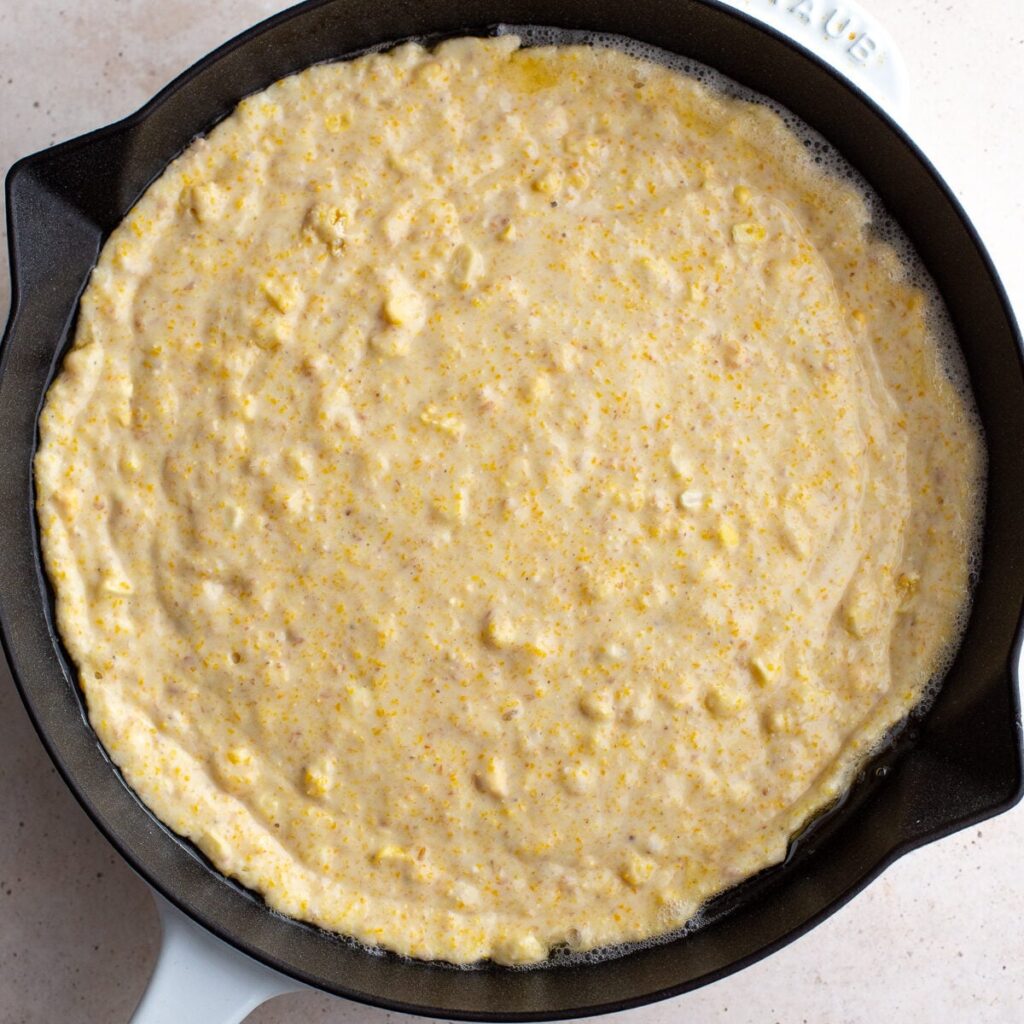
- Add the butter to a skillet and place it in the oven until the butter is just melted but making sure not to burn it at all. Remove from the oven. Swirl the butter around so that it fully coats the bottom of the skillet.
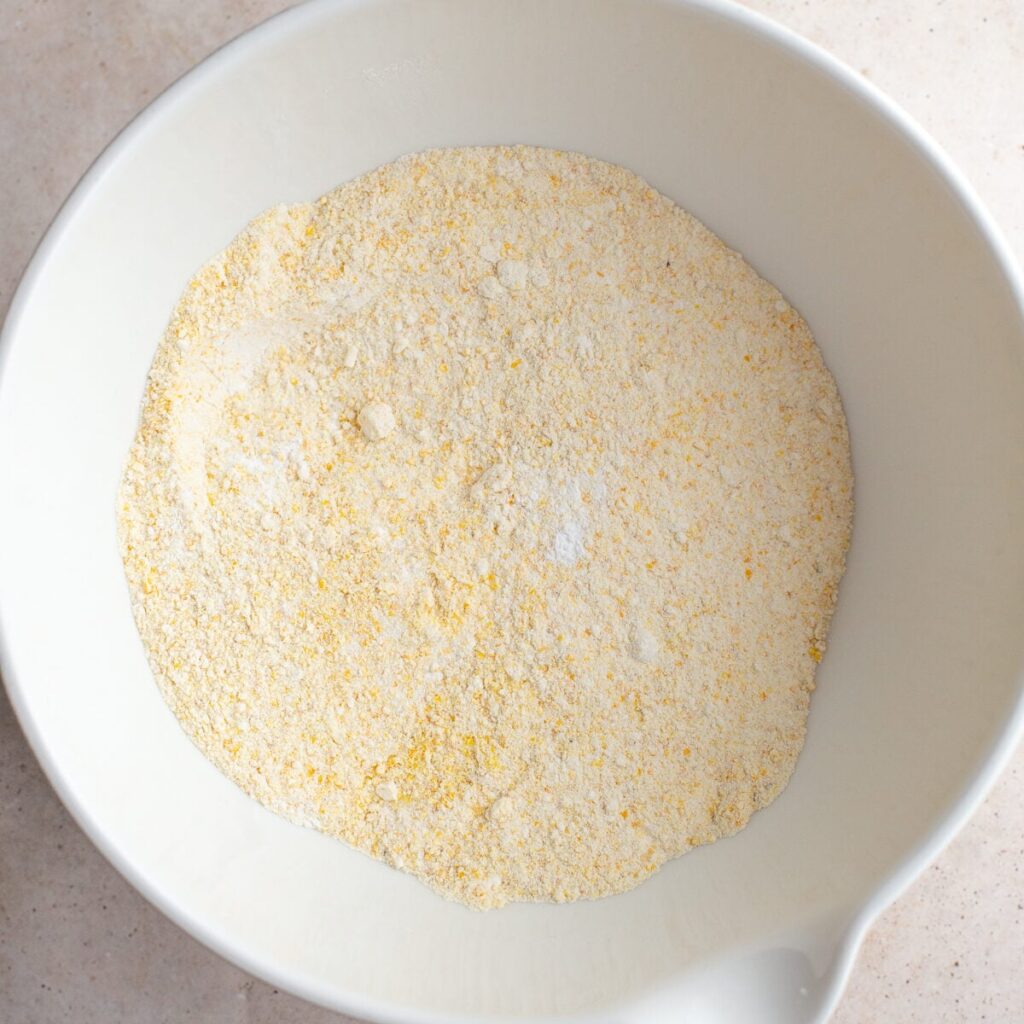
- In a large mixing bowl, mix together the flour, cornmeal, sugar, baking powder, and salt. In another bowl, mix together the flax eggs, milk, and oil.
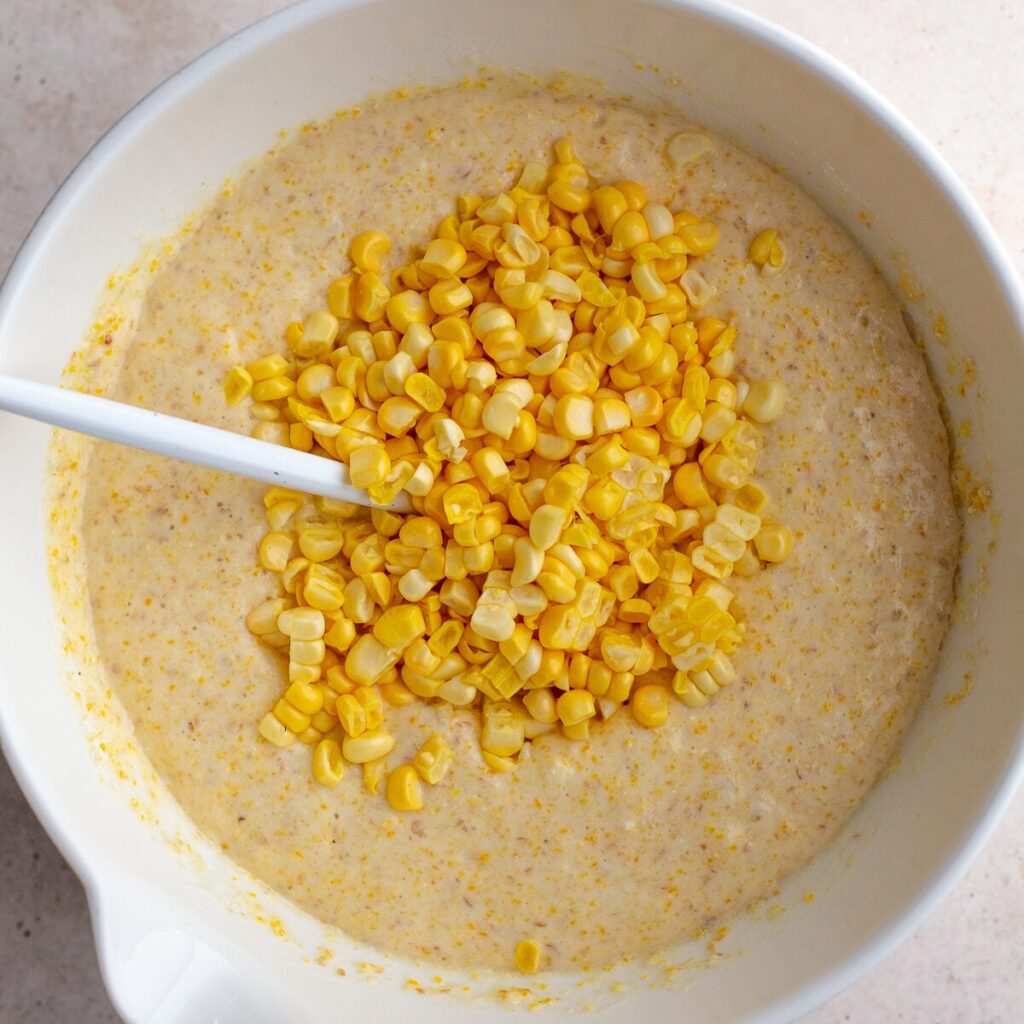
- Mix the wet ingredients (flax eggs, milk, and cornbread) into the large bowl with the dry ingredients and stir until fully incorporated but being careful not to over mix. Gently stir in the corn.
- Pour the batter into the hot skillet and place it into the oven to bake for 25-30 minutes or until a toothpick inserted into the center comes out clean. ENJOY!!!
Notes
*This is traditionally made without the corn in it but I’ve made it with corn a few times and LOVE it that way!
Storage Instructions
Store leftovers in an airtight container on the counter for up to 2 days or in the fridge for up to 5 days. Reheat in the oven to bring back that fresh-baked texture. It also freezes really well—wrap slices tightly and freeze for up to 3 months.
Nutrition
Calories: 208kcal | Carbohydrates: 28g | Protein: 3g | Fat: 9g | Saturated Fat: 2g | Polyunsaturated Fat: 5g | Monounsaturated Fat: 3g | Trans Fat: 0.1g | Sodium: 886mg | Potassium: 66mg | Fiber: 2g | Sugar: 5g | Vitamin A: 67IU | Calcium: 261mg | Iron: 2mg
The Vegan Cornbread (Moist, Easy & Made in a Skillet!) is a Food with Feeling Recipe.