

For years, meal planning carried an unfortunate reputation. To many people, it felt rigid, repetitive, overly restrictive, or disconnected from the emotional joy that makes cooking meaningful in the first place. Weekly meal prep often became associated with bland containers, uninspired routines, and nutritional obligation rather than genuine excitement around food. But a new generation of plant-based creators is completely transforming that perception by proving something millions of home cooks are finally beginning to embrace: sustainable eating can be deeply flavorful, culturally diverse, comforting, practical, protein-rich, and genuinely fun to prepare throughout the week.
The latest weekly meal lineup from Food with Feeling captures that evolution perfectly with the Food with Feeling Weekly Meal Plan.
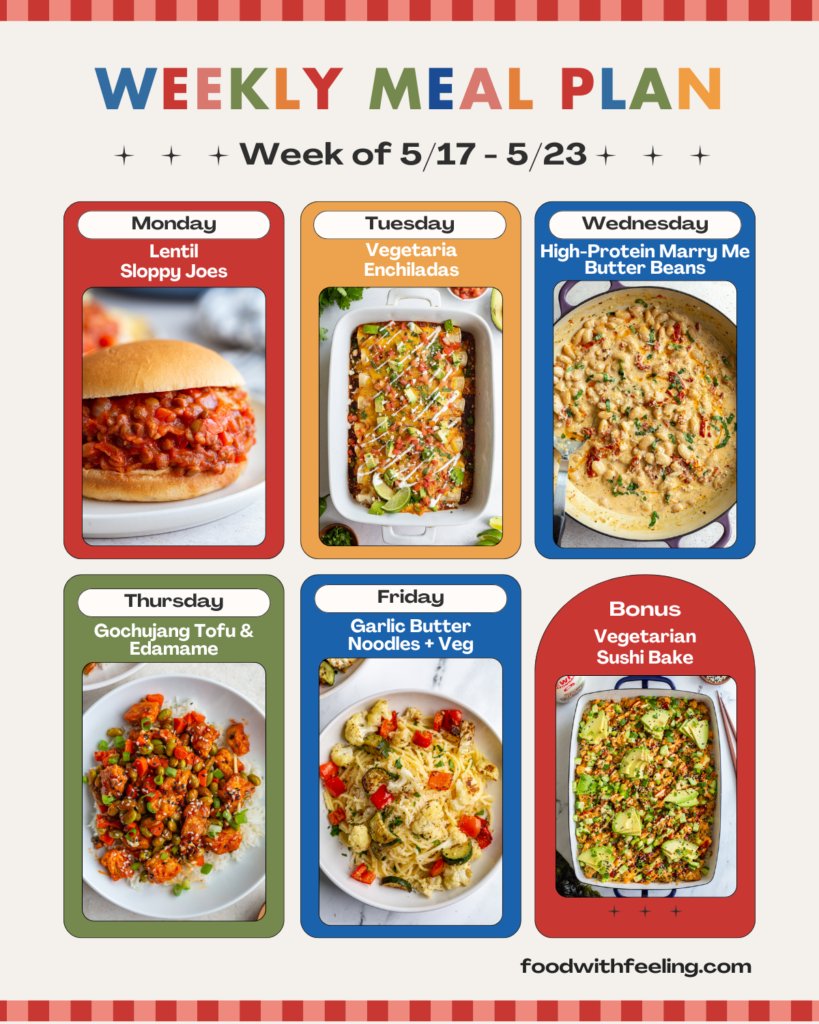
Instead of treating vegan and vegetarian cooking as limitation-based cuisine, the plan leans fully into abundance — rich sauces, bold spices, comforting textures, globally inspired flavors, nostalgic classics, protein-packed ingredients, and practical prep systems designed to make weeknight cooking dramatically easier without sacrificing satisfaction. From hearty Lentil Sloppy Joes and deeply comforting Vegetarian Enchiladas to creamy Marry Me Butter Beans, spicy Gochujang Tofu Stir Fry, Garlic Butter Noodles, and a viral-style Vegetarian Sushi Bake, the week’s menu reflects how plant-based meal planning is rapidly becoming one of the most exciting spaces in modern home cooking.
At Sustainable Action Now, food conversations increasingly intersect with sustainability, accessibility, wellness, food equity, environmental impact, and evolving cultural relationships with cooking itself. What makes this style of weekly meal planning so important is not simply the recipes individually. It is the larger philosophy behind them: creating realistic, affordable, flavor-forward plant-based meals that fit into real life rather than demanding perfection from overwhelmed households.
Food with Feeling Weekly Meal Plan:
- Monday | Lentil Sloppy Joes
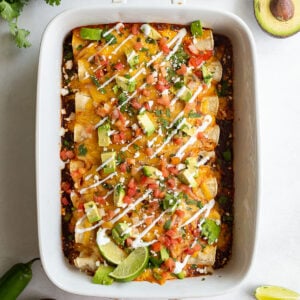
- Tuesday | Vegetarian Enchiladas
- Wednesday | Marry Me Butter Beans
- Thursday | Gochujang Tofu Stir Fry
- Friday | Garlic Butter Noodles + Roasted Vegetables
- BONUS | Sushi Bake
That distinction matters enormously.



One of the biggest reasons people struggle maintaining healthier or more sustainable eating habits is not lack of motivation. It is exhaustion. Busy schedules, rising grocery costs, limited preparation time, and decision fatigue all shape what people cook every day. Effective meal planning therefore succeeds when it reduces stress rather than adding complexity.
This latest lineup does exactly that by balancing comfort, efficiency, versatility, and preparation strategy simultaneously.
The week begins with Lentil Sloppy Joes — a perfect example of how plant-based comfort food has evolved far beyond simple substitutions. Sloppy joes carry enormous nostalgic power for many people because they represent casual, hearty, deeply satisfying comfort food tied to childhood dinners, gatherings, and uncomplicated weeknight meals. Reimagining that experience through lentils does more than replace meat. It reframes the dish entirely through a sustainability-conscious lens while preserving the rich, saucy, savory emotional core that makes sloppy joes so enduringly popular.
Lentils themselves have become one of the foundational ingredients driving modern plant-based cooking for good reason. They are affordable, protein-rich, fiber-dense, environmentally efficient, shelf-stable, and capable of absorbing bold flavor profiles beautifully. In recipes like these, they become proof that sustainable eating does not require sacrificing comfort or fullness.
The recommendation to prepare the sloppy joe filling ahead of time also reflects another major shift happening in modern meal culture: strategic cooking rather than constant cooking.
Instead of spending hours preparing entirely separate meals daily, contemporary meal planning increasingly emphasizes adaptable components capable of reducing weekday workload dramatically. Prepping sauces, chopping vegetables, cooking grains in batches, or preparing fillings ahead of time allows home cooks to maintain variety without experiencing burnout.
The Vegetarian Enchiladas continue that balance between comfort and practicality. Enchiladas represent one of the most flexible and satisfying meal structures in home cooking because they combine protein, vegetables, sauce, texture, and customizable flavor profiles into a single dish that reheats beautifully and feeds multiple people affordably.
What makes modern vegetarian enchiladas especially compelling is their versatility. Plant-based cooking no longer revolves around forcing imitation meat into every dish. Instead, vegetables, beans, cheeses, sauces, tofu, grains, mushrooms, and legumes increasingly become celebrated for their own textures and flavor contributions rather than simply functioning as replacements.
This evolution reflects a broader maturation happening throughout vegan and vegetarian food culture overall.
Earlier waves of plant-based eating often focused heavily on restriction or direct imitation. Today’s best plant-based cooking instead focuses on flavor architecture, texture layering, seasoning depth, and culinary creativity independent of traditional meat-centered expectations.
The High-Protein Marry Me Butter Beans recipe may be the clearest example of that shift within the week’s lineup.
Butter beans themselves embody many of the qualities defining the current plant-based cooking renaissance: creamy texture, affordability, high nutritional value, versatility, and incredible flavor absorption. Pairing them with blended tofu-based creamy sauces, garlic, sun-dried tomatoes, and protein-forward preparation transforms humble pantry ingredients into something luxurious and deeply comforting.
Importantly, the recipe also reflects how protein conversations within vegan culture have evolved. Rather than defensively responding to outdated stereotypes about plant-based nutrition, creators now confidently design meals intentionally packed with protein while still prioritizing flavor and indulgence.
The result is food that feels abundant rather than restrictive.
Wednesday’s butter bean dish also highlights another important development in contemporary sustainable cooking: pantry intelligence. Rising grocery costs and economic uncertainty are pushing more people toward recipes built around affordable staples capable of producing restaurant-level satisfaction without expensive specialty ingredients. Beans, lentils, tofu, noodles, rice, frozen vegetables, and versatile sauces therefore become foundational tools for accessible sustainability.
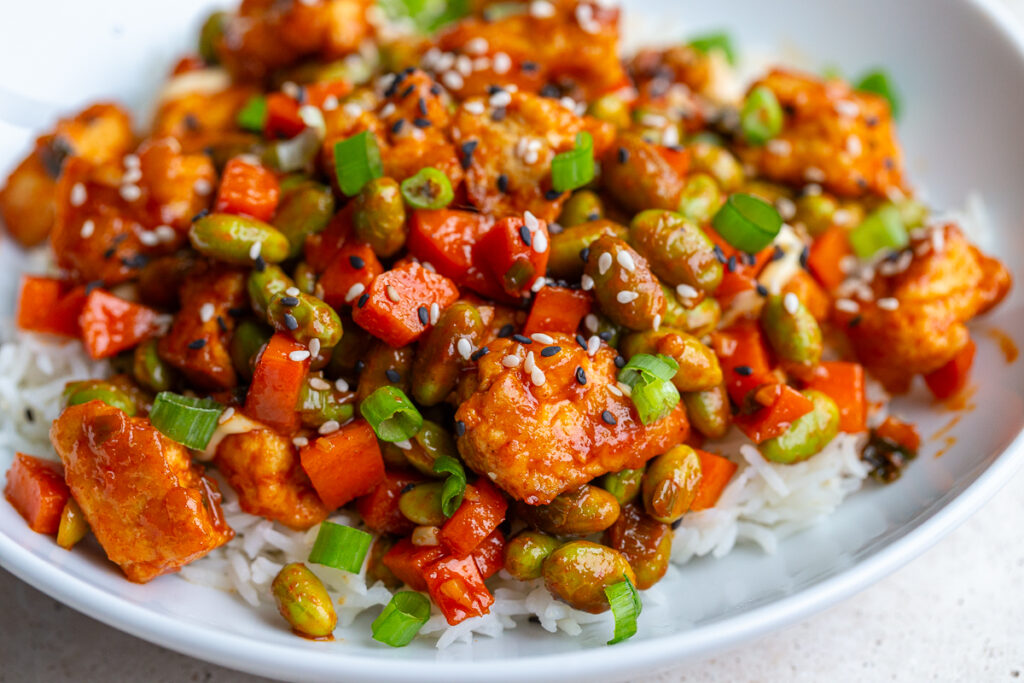
The Gochujang Tofu Stir Fry further illustrates how globally inspired flavors are reshaping weeknight vegan cooking. Gochujang’s spicy-sweet umami intensity has exploded in popularity because it delivers extraordinary depth quickly and efficiently. Combining it with crispy tofu and edamame creates a dish balancing heat, sweetness, protein, texture, and speed simultaneously.
Tofu itself has undergone a remarkable cultural reappraisal over the past decade. Once stereotyped unfairly as bland or difficult to prepare, it is now increasingly recognized as one of the most versatile proteins in modern cooking. Properly prepared tofu can become crispy, chewy, creamy, spicy, smoky, savory, or deeply rich depending on technique and seasoning.
The prep strategy included with the stir fry — pressing tofu overnight, preparing sauce ahead of time, cooking rice in batches — demonstrates how successful meal planning increasingly resembles modular system-building rather than rigid scheduling. Components become interchangeable building blocks reducing daily effort while preserving freshness and flexibility.
Thursday’s Garlic Butter Noodles and Roasted Vegetables introduce another critical element missing from many traditional meal plans: simplicity.
Not every sustainable dinner needs to become an elaborate production. Some of the most effective plant-based meals succeed precisely because they rely on familiar comforting flavor combinations elevated through thoughtful preparation. Garlic butter noodles deliver immediate emotional comfort while roasted vegetables add texture, color, nutrition, and adaptability.
This balance between indulgence and nourishment represents one of the strongest aspects of contemporary vegan comfort food overall. Plant-based meals no longer need to choose between wellness and satisfaction. They can comfortably embrace both.
The inclusion of the Vegetarian Sushi Bake as a bonus recipe also reflects how internet food culture continues influencing modern home cooking dramatically. Viral recipes often spread because they combine visual appeal, accessibility, customization, and social excitement. Sushi bakes specifically exploded online because they reinterpret familiar sushi flavors into warm, shareable casserole-style comfort food requiring far less technical skill than traditional sushi preparation.
Using tofu rather than seafood in this version further demonstrates how plant-based innovation increasingly succeeds by preserving flavor logic rather than directly copying ingredients mechanically.
At Sustainable Action Now, one of the most important aspects of this entire meal plan is how effectively it normalizes plant-based eating as ordinary rather than exceptional. These are not “special vegan meals” requiring niche commitment. They are simply appealing dinners people genuinely want to eat.
That normalization matters enormously for sustainability itself.
Environmental conversations surrounding food systems often struggle because they frame dietary change primarily through sacrifice or moral obligation. Yet widespread cultural shifts typically occur when sustainable choices become desirable, practical, emotionally satisfying, and socially normalized. Flavor-forward meal plans like this help accelerate that transition organically.
The preparation tips included throughout the plan also deserve attention because they acknowledge a reality often ignored within food media: people live busy lives. Successful meal planning is not about achieving perfection. It is about creating systems reducing friction enough that cooking remains sustainable emotionally and logistically over time.
Simple advice like shopping and meal prepping on the same day, preparing sauces ahead of time, pre-chopping vegetables, or cooking rice in large batches may seem small, but these habits dramatically influence long-term consistency.
This practical realism is part of why modern plant-based cooking is finally reaching broader audiences beyond traditional wellness communities.
People increasingly want meals that are affordable, comforting, nutritionally balanced, culturally diverse, environmentally conscious, and realistic for weeknight schedules simultaneously. The old assumption that sustainable eating must feel complicated or inaccessible is collapsing rapidly as creators continue proving otherwise.
At Sustainable Action Now, the rise of meal plans like this represents something much larger than recipe organization. It reflects a generational shift in how people approach food itself. Cooking is increasingly being reclaimed not as chore-driven obligation, but as a form of care — for personal health, for communities, for animals, for the environment, and for the emotional experience of daily life itself.
And perhaps that is why these weekly plans resonate so strongly right now.
Because in a world increasingly dominated by stress, speed, and overstimulation, there is something deeply grounding about opening the refrigerator and already knowing that nourishing, flavorful, comforting meals are waiting to come together with ease.
Not through restriction.
But through abundance, preparation, and food that people are genuinely excited to eat all week long.
The Food with Feeling Weekly Meal Plan.