
There is a particular quality to late June in the African bush that makes the final days of the month some of the most compelling viewing of the year on SafariLIVE. The winter dry season is well underway across the Sabi Sand Game Reserve in South Africa, and what that means for wildlife is something that any naturalist — professional or self-taught through years of watching WildEarth’s live drives — understands instinctively: the thinning of vegetation along drainage lines and water sources concentrates animals in ways that make sightings more frequent, more dramatic, and more consequential. Predators have the advantage of shorter grass. Prey has fewer places to disappear. The bush in June is not sparse — it is revealed, and what it reveals, drive after drive across sunrise and sunset, is the full drama of how Africa actually works.
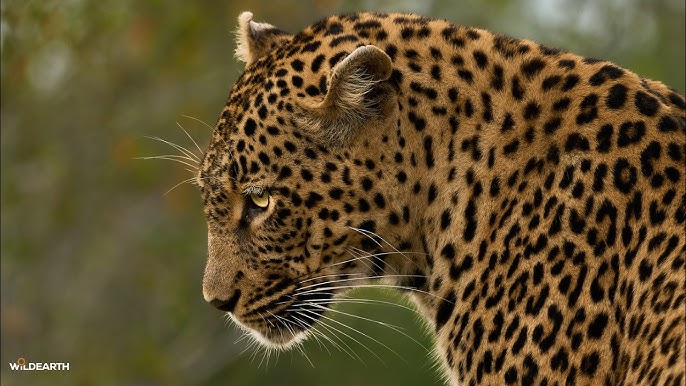
This week produced exactly that kind of drama. A leopard guarding her kill from the rivals and scavengers who would take it from her if given a moment’s inattention. The territorial sawing calls of a leopard advertising himself to females across the reserve — the behavior that experienced viewers call “sawing for love,” a sound that carries through the African night with a particular urgency as males mark territory and announce their presence during active mating cycles. And, cutting through the regularity of the schedule like the weeks always do in the bush, the unexpected: the sighting that nobody planned for, the interaction between species that the guides have seen hundreds of times and still find genuinely exciting, the moment that no scripted wildlife production could have manufactured because it emerged from the uncontrollable reality of wild animals making their own choices in their own habitat.
This is what SafariLIVE is. This is why it matters. And this is where to find it.
What SafariLIVE Is and How It Works
WildEarth, the British-South African broadcasting and conservation company founded in 2006 by Graham and Emily Wallington and based primarily at Djuma Game Reserve in the Sabi Sand Game Reserve of South Africa, has been doing something genuinely unprecedented in wildlife broadcasting since 2007: streaming unscripted, unedited, fully live safari drives directly from the bush to audiences around the world, twice a day, every single day.
There is no equivalent to this in conventional wildlife programming. The landmark nature documentaries that most people think of when they think of wildlife broadcasting are the product of months of footage reduced to carefully curated narrative arcs — breathtaking precisely because the filmmakers have selected the most extraordinary moments from an enormous archive of ordinary waiting. SafariLIVE does not offer that. It offers the experience of sitting in the back of a game viewer in the Sabi Sand, watching and wondering alongside the guides, with no advance knowledge of what the drive will produce and no editing to remove the long stretches of driving between sightings, the insects, the birds that are not the Big Five, the conversations about tracks and behavior and ecology that fill the time between encounters. It offers the drive as it actually happens.
The Sunrise Safari broadcasts from approximately 5:30 AM Central Africa Time — catching first light over the bush as nocturnal animals return to their daytime cover and diurnal species begin their morning activity. The Sunset Safari begins in the late afternoon and runs into darkness, capturing the transition from daylight to nighttime when the big cats are most active, when the bush is golden and then purple and then alive with the specific sounds and smells that experienced guides read the way other professionals read reports and data. Each drive runs approximately three hours. Every minute of it is live.
The permanent home base for the drives is Djuma Game Reserve, part of the larger Sabi Sand — itself bordering Kruger National Park and sharing unfenced boundaries with it, which means the wildlife moves freely across one of the most significant and well-managed protected areas on the African continent. The Djuma Dam Cam, a permanently mounted remote camera overlooking a waterhole on the reserve, broadcasts 24 hours a day, 365 days a year, staffed by a network of volunteer remote operators known as “zoomies” who track and follow whatever animals come to drink. Elephants, lions, hyenas, hippos, various antelope species, and the extraordinary daily variety of African birdlife appear at the dam on a schedule determined entirely by the animals themselves — which is to say, on no predictable schedule at all, which is precisely what makes it worth watching.
The Maasai Mara in Kenya has featured in WildEarth broadcasts across the years, particularly during the Great Migration — one of the most spectacular wildlife events on earth, in which millions of wildebeest and zebra cross the Mara River in a series of crossings that are spectacular and terrible and completely unforgettable for anyone who has watched them live. The migration crossings, broadcast in real time as the animals decide when and whether to cross and the Nile crocodiles wait in the current below, represent SafariLIVE at its most dramatic: genuinely high-stakes, genuinely unscripted, genuinely impossible to predict.
This Week’s Sightings
The Sunset Safari on June 28, 2026, broadcast ad-free in the exclusive tier, followed a leopard at her kill — one of the most compelling and nuanced behavioral situations in the entire repertoire of big cat watching. A leopard who has made a kill and is actively guarding it is an animal in a state of heightened alertness, active territorial behavior, and complex decision-making that plays out over hours. Lions are the primary threat — larger, stronger in numbers, and fully capable of stealing a kill if they locate it. Hyenas are persistent opportunists who will test a leopard’s vigilance repeatedly. Other leopards, particularly males, will steal from females given the opportunity. The leopard’s solution to all of these threats — hoisting kills into trees that other predators cannot access, or selecting kill sites with natural cover that provides defensible concealment — is one of the most remarkable adaptations in African wildlife, and watching it unfold in real time, with a guide explaining the behavioral logic as it happens, is the kind of thing that no amount of documentary watching fully prepares you for.
The Sunrise Safari on June 28, 2026, also broadcast ad-free, picked up on what guides and experienced viewers call “sawing for love” — the territorial and mating advertisement call of a male leopard, a rasping, repetitive sound that its common name accurately evokes, used to establish presence across territory and signal availability to females. Male leopards in active territorial competition and mating cycles produce this call with particular intensity, and tracking the source of the sound in the pre-dawn darkness, moving through the bush following audio cues before visual confirmation, is one of the more evocative experiences in live wildlife broadcasting.
The Sunset Safari of June 29, 2026 — the Private Safari For SuperFans exclusive drive — provided the dedicated community of WildEarth’s most committed supporters with the kind of direct, extended access that has made the SafariLIVE SuperFan tier a genuine community rather than simply a membership transaction. The Private Safari drives feature smaller audience interaction segments, longer discussion time with guides, and the particular intimacy of a broadcast that feels genuinely personal rather than publicly broadcast. The questions tend to go deeper. The conversations about ecology, individual animal histories, and conservation context run longer. The overall experience is closer to sitting with an expert friend who happens to be driving through one of the most extraordinary wildlife habitats on earth than to watching a broadcast.
Both Sunrise and Sunset safaris on June 30, 2026, are Members Only, accessible through WildEarth’s support tiers, which provide the sustainable funding model that allows WildEarth to maintain this level of consistent, daily production. The ad-free and Members Only tiers are not paywalls erected in front of content that would otherwise be free — they are the mechanism through which a broadcasting operation of this scale and consistency, operating from remote wilderness locations, funds the guides, the vehicles, the technical infrastructure, and the conservation work that makes it possible.
The Team on the Ground
SafariLIVE works because of the people in the vehicles and behind the cameras, and the personalities of the guides and presenters have become one of the most genuinely beloved aspects of the WildEarth community. Unlike scripted nature programming, where presenters are performing roles shaped by producers and editors, the SafariLIVE guides are simply themselves — knowledgeable, enthusiastic, occasionally startled by what appears in the headlights, sometimes disagree with each other about identification or behavior, always honest about what they do not know. The authenticity is not performed. It is structural, because there is no script and no editing, and you cannot fake expertise in the moment when a lion appears and you need to explain immediately what you are seeing and why.
The rotating team of guides and presenters who have populated the Sunrise and Sunset safaris over the years have become characters in a continuous, unscripted story that viewers follow across weeks, months, and years. Individual animals — named and tracked across the Djuma landscape — become familiar presences whose life stories play out in real time: births observed live, territorial shifts mapped drive by drive, deaths mourned by a community of viewers who have watched these animals grow from cubs to adults to elders. The leopard Tingana, whose death in 2022 prompted WildEarth to open a normally exclusive tribute broadcast to the general public, was an animal that thousands of viewers around the world had watched for years and genuinely grieved when he was gone. Queen Kurhula, the matriarch leopard known originally as Karula whose character and presence defined a generation of Djuma wildlife watching, lives on in the archive of thousands of hours of live footage and in the memories of a global community that watched her age and decline and ultimately pass.
This is what consistently distinguishes WildEarth’s live broadcasting from every other form of wildlife content: the accumulation of genuine relationships between viewers and individual wild animals, mediated by guides who bring both scientific knowledge and personal investment to every drive. The wild animals do not know the cameras are there. The guides do not know what will happen next. The viewers are watching in real time, asking questions via the live chat or using the #SAFARILIVE hashtag, receiving answers from experts who are simultaneously tracking prints, reading wind direction, and listening for contact calls in the middle of the African bush. There is nothing else like it.
The Conservation Dimension
WildEarth’s mission extends beyond broadcasting. The WildEarth Impact Foundation (WEIF) operates as the non-profit arm of the WildEarth enterprise, dedicated to conservation of wilderness areas and the social impact work that connects local communities to the conservation mission that makes the wildlife of the Sabi Sand and other locations possible to protect. Conservation broadcasting of this kind — that makes wild animals and wild places real and knowable to audiences who will never physically visit Africa — has a demonstrated effect on conservation support and funding that studies of wildlife tourism and environmental philanthropy consistently confirm. People protect what they care about. They care about what they know. WildEarth’s live broadcasting is, in a very direct sense, a conservation tool that works by creating the caring that precedes the protection.
The Djuma Dam Cam, staffed by volunteer remote operators from across the globe, is a particularly elegant example of this principle in action. The volunteers who monitor and control that camera — adjusting focus, following movement, alerting each other through community channels when something significant appears at the waterhole — are not passive viewers. They are participants in the documentation of wildlife activity, contributors to a community archive of sightings and behavior, and demonstrably more invested in the welfare of those animals and that habitat than someone who has only watched edited wildlife programming. The act of participation creates the investment, and the investment motivates the support for conservation that makes the long-term protection of these habitats financially viable.
How to Watch on Sustainable Action Now
The SafariLIVE Sunset and Sunrise feeds are available through the Sustainable Action Now website, where WildEarth’s WildEarth YouTube Channel is embedded for direct viewing access. The daily drives — Sunrise and Sunset, seven days a week — broadcast on WildEarth’s YouTube channel at their scheduled Central Africa Time slots. Members Only and ad-free content is accessible through WildEarth’s support tiers on their platform, and the standard public feeds bring the live experience to anyone who wants it without a subscription requirement.
The WildEarth YouTube Channel also archives past drives, meaning that drives from previous days, weeks, and months are available for catch-up viewing for anyone who missed a live broadcast. The archives include some of the most extraordinary sightings in WildEarth’s history — lion kills, cheetah hunts, elephant encounters at the dam, the Great Migration crossings from the Maasai Mara, the individual animal stories that have unfolded across years of continuous broadcasting. The archive is one of the most comprehensive records of wild animal behavior in natural habitat ever assembled by a single broadcasting organization.
Joining the WildEarth community — through channel membership, through the Explorer tier that funds the WEIF’s conservation and social impact work, or simply through consistent viewing and participation in the chat — is one of the most direct ways to connect with living African wildlife from anywhere in the world. The bush does not wait for convenient scheduling. The animals are out there right now, in the golden light of a Sabi Sand afternoon or the cold darkness before a Djuma dawn, moving through a landscape that has been wild for longer than human memory extends and that deserves to remain wild for longer than our current capacity to protect it can guarantee without the engagement and support of a global community that cares enough to watch.
The leopard at her kill this week was guarding something irreplaceable in the broader sense too — a way of life, an ecosystem, a claim on a piece of earth that only holds as long as the world outside that game fence values it. Watching SafariLIVE is, in ways both small and not, part of maintaining the value of that claim.
The drives are live every day. The bush is never the same twice. Come and watch.
Sustainable Action Now features SafariLIVE Sunset and Sunrise streams from WildEarth on our SafariLIVE page. Tune in live or catch the WildEarth YouTube Channel for the full archive of drives and wildlife content.