

The global energy system is entering a period of profound uncertainty. Geopolitical tensions, disruptions to shipping routes, and fragile fossil fuel infrastructure are once again reminding the world just how volatile oil-dependent economies can be.
Recent developments in the Middle East and global energy markets have triggered renewed concern about rising fuel prices, fragile supply chains, and the long-term stability of fossil fuel–driven energy systems. Tanker congestion, damaged infrastructure, and escalating risks in one of the world’s most important oil shipping corridors are contributing to a wave of economic and political pressure that could reshape global energy conversations for years to come.
For climate advocates, scientists, and sustainability leaders, this moment underscores an urgent reality: the future cannot depend on unstable fossil fuel systems. The transition toward clean, resilient energy is no longer simply an environmental aspiration—it is a strategic necessity for economic stability, national security, and climate protection.
As the world watches energy markets react to geopolitical shocks, the deeper lesson is becoming increasingly clear: fossil fuel dependence creates vulnerabilities that renewable energy systems can help reduce.
A Fragile Global Oil System
Oil has long served as the backbone of the modern global economy. Transportation networks, manufacturing industries, and military operations all rely heavily on petroleum-based fuels.
However, the system that supplies those fuels is extraordinarily complex and often precarious.
A significant portion of the world’s oil supply travels through narrow maritime chokepoints, where shipping routes converge and geopolitical tensions can disrupt global markets within hours.
One of the most critical of these chokepoints is the Strait of Hormuz.
This narrow stretch of water connects the Persian Gulf with the Gulf of Oman and the broader Indian Ocean. Every day, massive oil tankers pass through this corridor carrying a significant share of the world’s petroleum exports.
When instability arises in the region—whether from military tensions, infrastructure damage, or shipping disruptions—the consequences ripple across global energy markets almost immediately.
The latest geopolitical tensions have once again exposed how vulnerable the oil supply chain can be.
Why Oil Prices May Stay Elevated
Energy analysts are increasingly warning that oil prices may remain elevated for a prolonged period rather than quickly returning to previous levels.
Several factors are contributing to this outlook.
Tanker Congestion and Shipping Delays
Shipping bottlenecks can significantly disrupt oil supply even when production remains steady.
When tankers are delayed in transit or forced to reroute around unstable regions, oil deliveries arrive later than expected. These delays create supply shortages in downstream markets, pushing prices higher for gasoline, diesel, and other petroleum products.
Global tanker backlogs can take weeks or even months to resolve once disruptions occur.
Damage to Energy Infrastructure
Military conflict and regional instability can damage critical energy infrastructure, including pipelines, refineries, and export terminals.
Repairing such facilities is rarely quick. Complex energy systems require specialized equipment and extensive safety inspections before operations can resume.
When infrastructure damage occurs, the impact can extend far beyond the immediate region, tightening global supply and driving price volatility.
Security Risks in Strategic Shipping Routes
The Strait of Hormuz remains one of the most sensitive energy corridors on Earth.
Even the perception of risk in this region can drive market reactions. Insurance costs for tanker operators rise sharply when shipping lanes are threatened, and some vessels may delay voyages until security conditions improve.
These factors add additional costs to global oil transportation, which ultimately filter down to consumers through higher fuel prices.
The Political Response to Energy Disruptions
In response to rising concerns about energy security, government leaders have begun exploring emergency measures designed to stabilize supply.
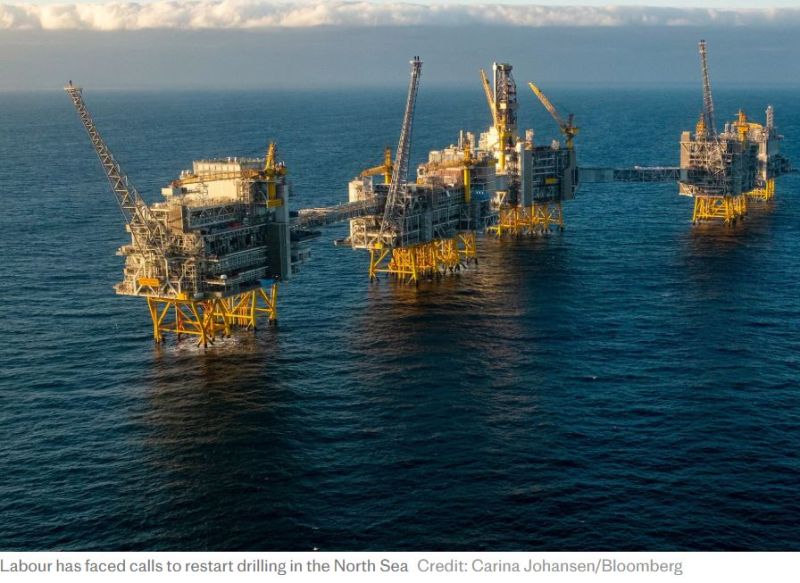
Recent actions include the invocation of emergency authorities aimed at restarting oil operations in previously restricted areas, including offshore drilling zones.
Officials have argued that expanding domestic oil production could help reduce reliance on foreign energy sources and stabilize fuel prices.
However, critics caution that such strategies may provide only temporary relief while reinforcing dependence on fossil fuel systems that remain inherently unstable.
The debate highlights a deeper tension in energy policy: whether short-term fossil fuel expansion can coexist with long-term climate goals.
The Limits of Fossil Fuel “Energy Dominance”
The concept of “energy dominance” has long been promoted as a pathway to national security and economic resilience.
Yet recent geopolitical shocks illustrate how difficult it is for any single country to fully insulate itself from global energy markets.
Even nations with significant oil production remain connected to international supply chains and pricing systems. When global disruptions occur, domestic markets often feel the effects through price fluctuations and supply uncertainty.
Energy policy experts increasingly argue that true energy independence may require a different approach altogether—one that prioritizes renewable energy systems that are less vulnerable to international conflicts.
Solar, wind, geothermal, and other renewable sources operate locally, without reliance on tanker shipments or international shipping routes.
In that sense, renewable energy infrastructure represents not just a climate solution but a strategic resilience strategy.
The Climate Implications of Oil Instability
Beyond economic and geopolitical considerations, the current energy turmoil also raises critical questions about climate responsibility.
Burning fossil fuels remains the primary driver of greenhouse gas emissions, which are accelerating global warming and intensifying extreme weather events.
While short-term supply disruptions may temporarily reduce oil consumption in some markets, expanding fossil fuel production as a response risks locking in long-term emissions that make climate targets harder to achieve.
Scientists continue to emphasize that avoiding the most severe impacts of climate change requires a rapid reduction in fossil fuel reliance and a large-scale transition toward renewable energy.
Moments of energy disruption can serve as catalysts for that transition.
They highlight the risks of relying on systems that are both environmentally damaging and geopolitically fragile.
Renewable Energy as a Path to Stability
Clean energy technologies are advancing rapidly across the world.
Solar and wind power are now among the fastest-growing energy sources globally, supported by falling costs, technological improvements, and increasing public demand for climate solutions.
Unlike oil infrastructure, renewable energy systems do not depend on global shipping routes or volatile commodity markets.
Solar panels generate electricity wherever sunlight is available. Wind turbines capture energy directly from the atmosphere. Energy storage technologies allow renewable power to be stored and distributed when needed.
This decentralized model reduces the risk of large-scale supply disruptions.
Communities powered by renewable energy are less vulnerable to geopolitical conflicts that affect oil markets.
A New Era of Energy Transition
The current moment may represent a turning point in how governments and industries approach energy policy.
As oil markets struggle with instability, the economic advantages of renewable energy are becoming more apparent.
Investments in clean energy infrastructure create jobs, strengthen local economies, and reduce dependence on imported fuels.
They also help nations meet climate commitments while building more resilient energy systems.
For many policymakers, the question is no longer whether a transition will occur—but how quickly it can be accelerated.
What Individuals and Communities Can Do
While energy policy decisions often occur at national and international levels, individuals and communities also play important roles in shaping the transition to sustainable energy.
Actions that support climate progress include:
- Supporting renewable energy initiatives in local communities
- Encouraging investments in clean energy infrastructure
- Advocating for climate-focused public policies
- Reducing personal reliance on fossil fuel–intensive transportation
- Supporting businesses and organizations committed to sustainability
Collectively, these steps contribute to broader societal momentum toward climate solutions.
The Bigger Lesson from Global Oil Turmoil
Energy crises reveal the weaknesses of the systems societies rely upon.
Today’s oil market instability is not simply the result of geopolitical conflict—it reflects a deeper structural vulnerability tied to fossil fuel dependence.
Every tanker delay, infrastructure disruption, and shipping bottleneck serves as a reminder that the global energy system remains exposed to risks that renewable technologies can help eliminate.
The future of energy will likely be shaped not only by markets and politics but by the growing recognition that climate stability and energy security are inseparable.
A sustainable energy system—one powered by renewable resources, resilient infrastructure, and forward-looking policies—offers a path toward both.
And as the world confronts the challenges of a rapidly changing climate, the urgency of building that system has never been clearer.