

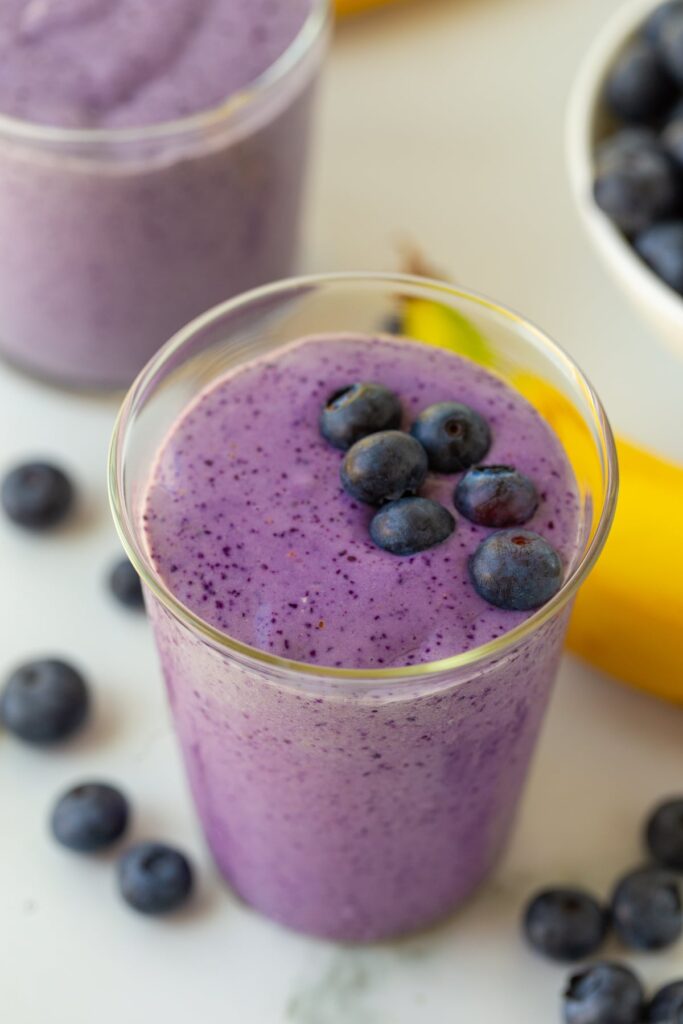
Some of the best things in a plant-forward kitchen are not elaborate. They are not the result of a long afternoon of cooking, a specialized piece of equipment, or a trip to a specialty grocery store for ingredients that most people have never heard of. Sometimes the best thing you can make is five ingredients blended together in five minutes, and the result is so thick, so creamy, so genuinely satisfying that you wonder why you were ever reaching for anything more complicated on a busy weekday morning.
This blueberry banana smoothie is that recipe. It is the one that earns a permanent spot in your rotation not because it is impressive or ambitious but because it is consistently excellent, endlessly adaptable, and built from ingredients that a well-stocked kitchen almost always has on hand. It is also, at approximately 400 calories with 22 grams of protein, 7 grams of fiber, and meaningful contributions of vitamin C, calcium, and potassium, one of the more nutritionally complete quick meals you can put together without turning on the stove.
At Sustainable Action Now, plant-forward eating is central to our mission because the choices we make about food are among the most consequential environmental choices most people make every day. A smoothie built on frozen fruit, a plant-based milk, and a spoonful of nut butter is not just a convenient breakfast. It is a meal that requires a fraction of the land, water, and emissions that animal-heavy alternatives demand. When eating this way also happens to be genuinely delicious and takes five minutes to prepare, the case for it becomes difficult to argue against. This smoothie makes that case every time you make it.
Why Frozen Fruit Is the Right Choice Here
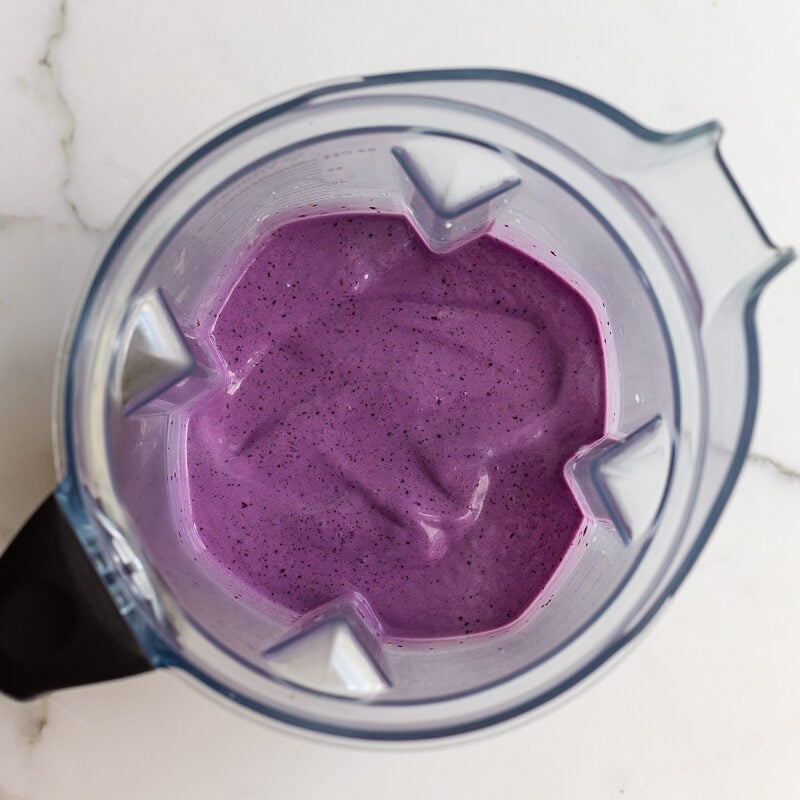
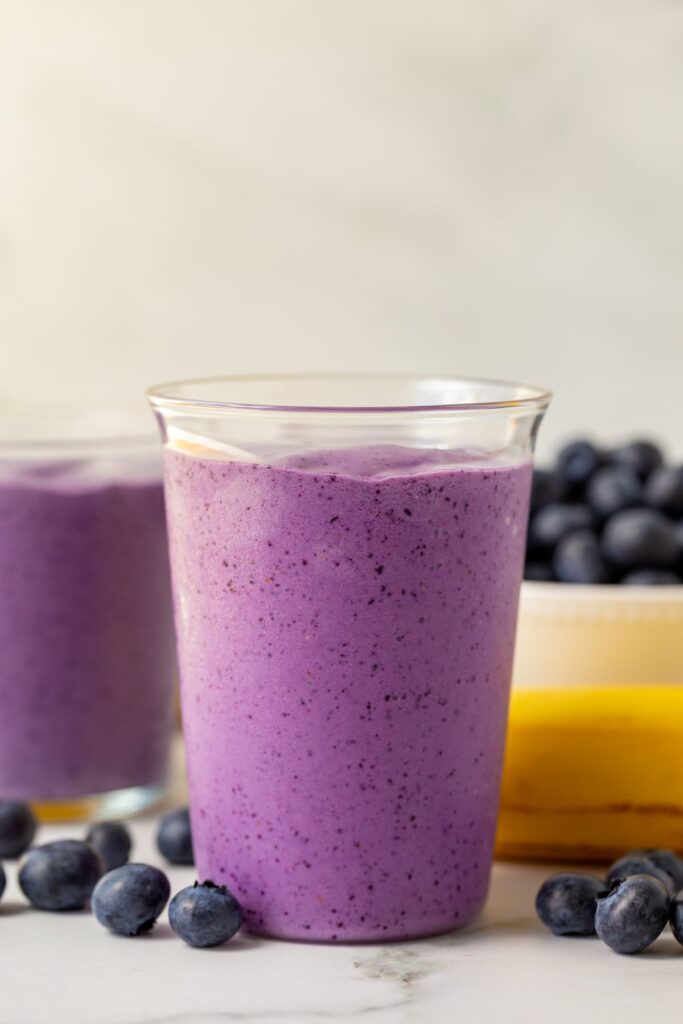
The question of fresh versus frozen fruit is one of the most persistently misunderstood debates in the home kitchen, and smoothies are where the answer is most definitively on frozen’s side. Frozen blueberries and frozen banana are not compromises. They are the version of these fruits that is specifically suited to this application, and understanding why makes you a better smoothie maker regardless of what combinations you favor.
Frozen blueberries are picked at peak ripeness and frozen immediately, which means their nutritional profile at the time of blending is comparable to or sometimes superior to fresh berries that have traveled from the farm to the warehouse to the distribution center to the grocery store over several days. They are also available year-round at consistent prices, which matters for anyone who wants to make this smoothie a genuine daily habit rather than a seasonal treat. And in the context of a smoothie, their most important quality is textural: a cup of frozen blueberries pulled directly from the freezer produces a smoothie with a thick, cold, almost ice-cream-adjacent quality that fresh blueberries simply cannot match.
The frozen banana is doing similar work. A banana that has been frozen at the ripe stage, when its starches have converted to sugars and its flesh is yielding and sweet, blends into the smoothie as a natural thickening agent and sweetener that no added sugar can replicate. The texture it creates is the texture that makes people who try this smoothie for the first time assume it must contain more ingredients than it does. For anyone who wants the thickness without the natural sugar content of a ripe banana, frozen cauliflower florets serve as a remarkably effective substitute. The texture is almost identical, and the flavor is genuinely undetectable when the other ingredients are present. This is a substitution worth knowing about, and the sort of whole-food trick that sustainable cooking does particularly well.
The banana in this recipe ideally comes from your freezer, where overripe bananas should always be going rather than the compost bin. A banana that is too ripe to eat pleasantly on its own is exactly ripe enough for a smoothie. Peeling and freezing overripe bananas as they accumulate is one of the small habits that makes sustainable cooking more economical and more automatic over time.
Every Ingredient and What It Contributes
The five core ingredients in this smoothie are each doing specific, important work, and understanding what each contributes helps you make better substitutions when needed and better additions when you want to expand beyond the base recipe.
Frozen blueberries form the flavor foundation and, along with the banana, the textural heart of the smoothie. Blueberries are among the most researched fruits in nutritional science, with well-documented concentrations of anthocyanins, the pigment compounds that give them their color and that studies associate with anti-inflammatory effects, improved cognitive function, and cardiovascular benefits. A full cup of frozen blueberries in a single serving smoothie is a genuinely meaningful contribution to daily antioxidant intake, not a token handful.
The frozen banana provides the sweetness that makes this smoothie feel indulgent without any added sweetener, along with potassium (of which this smoothie provides over 1,000 milligrams, roughly a quarter of the recommended daily intake), fiber, and the starchy creaminess that binds the other ingredients into something cohesive and thick rather than watery. Bananas also provide a natural source of vitamin B6, which supports neurotransmitter production and immune function.
Yogurt is the protein backbone of this recipe and the element that transforms it from a fruit juice adjacent beverage into something substantial enough to genuinely replace a meal. Greek yogurt, whether dairy or dairy-free, contributes significantly more protein per serving than regular yogurt, and that protein content is a large part of why this smoothie sustains energy across a morning rather than producing the spike and crash that a fruit-juice-only blend would create. The yogurt also adds a pleasant tang that balances the sweetness of the banana and blueberries without requiring any acidic additions. Vanilla Greek yogurt produces a smoothie that tastes almost dessert-like. Unsweetened Greek yogurt pulls the flavor toward something slightly more savory and complex. Both work beautifully, and the choice is entirely a matter of personal preference.
Nut butter is the ingredient that most distinguishes this smoothie from a basic blended fruit drink, and it earns its place in every way. A heaping tablespoon of peanut butter, almond butter, or sunflower seed butter adds healthy monounsaturated and polyunsaturated fats that slow the absorption of the smoothie’s natural sugars and extend the satiety window considerably. It also adds protein, which compounds the protein contribution of the yogurt and brings the smoothie’s total to the impressive 22-gram figure that makes it genuinely useful as a post-workout recovery meal as well as a breakfast option. The flavor pairing of peanut butter with blueberry and banana is one of those combinations that sounds like it should require more thought than it does. It simply works, in the way that complementary flavors discovered through experience rather than calculation often do.
The liquid component is where this recipe is most intentionally flexible. The original recipe suggests any milk or liquid the drinker already enjoys, and that flexibility is genuine rather than vague. Oat milk produces a particularly creamy result with a mild sweetness that supports the other ingredients without overpowering them. Soy milk contributes additional protein and a neutral flavor. Coconut milk adds richness and a subtle tropical note. Coconut water is a lighter option that adds electrolytes. Regular dairy milk produces the most traditional smoothie texture. Water works if nothing else is available, though the result will be thinner and less flavorful. The choice here depends entirely on what is in the refrigerator and what the drinker prefers to consume, which is exactly the kind of adaptability that makes a recipe genuinely useful in daily life rather than just as an occasional project.
Making It: The Method
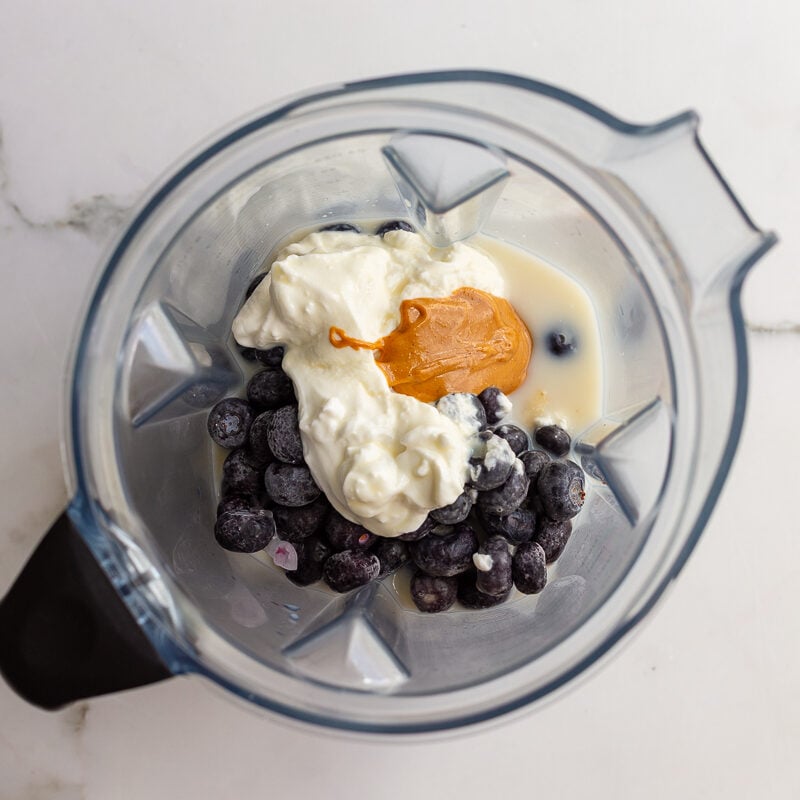
The method for this smoothie is as simple as the ingredient list suggests. Add the frozen blueberries, frozen banana, yogurt, nut butter, and liquid to a blender. Blend until smooth, pausing to scrape down the sides if necessary. If the smoothie is too thick to blend properly, add a small additional amount of liquid and blend again until the consistency is right. Pour and drink immediately for the best texture and temperature.
The order of addition matters slightly if you are using a standard blender rather than a high-powered model. Adding the liquid first, before the frozen fruit, prevents the fruit from packing around the blade in a way that can strain the motor and produce uneven blending. This is a small practical adjustment that extends the life of a home blender while also ensuring a smoother final result.
If you find that the smoothie is consistently too thick for your preference, use slightly more liquid and slightly less yogurt until you arrive at a consistency you enjoy. If you want something thicker, closer to a smoothie bowl that can be eaten with a spoon, reduce the liquid and increase the frozen fruit components. The base recipe is a starting point, not a constraint.
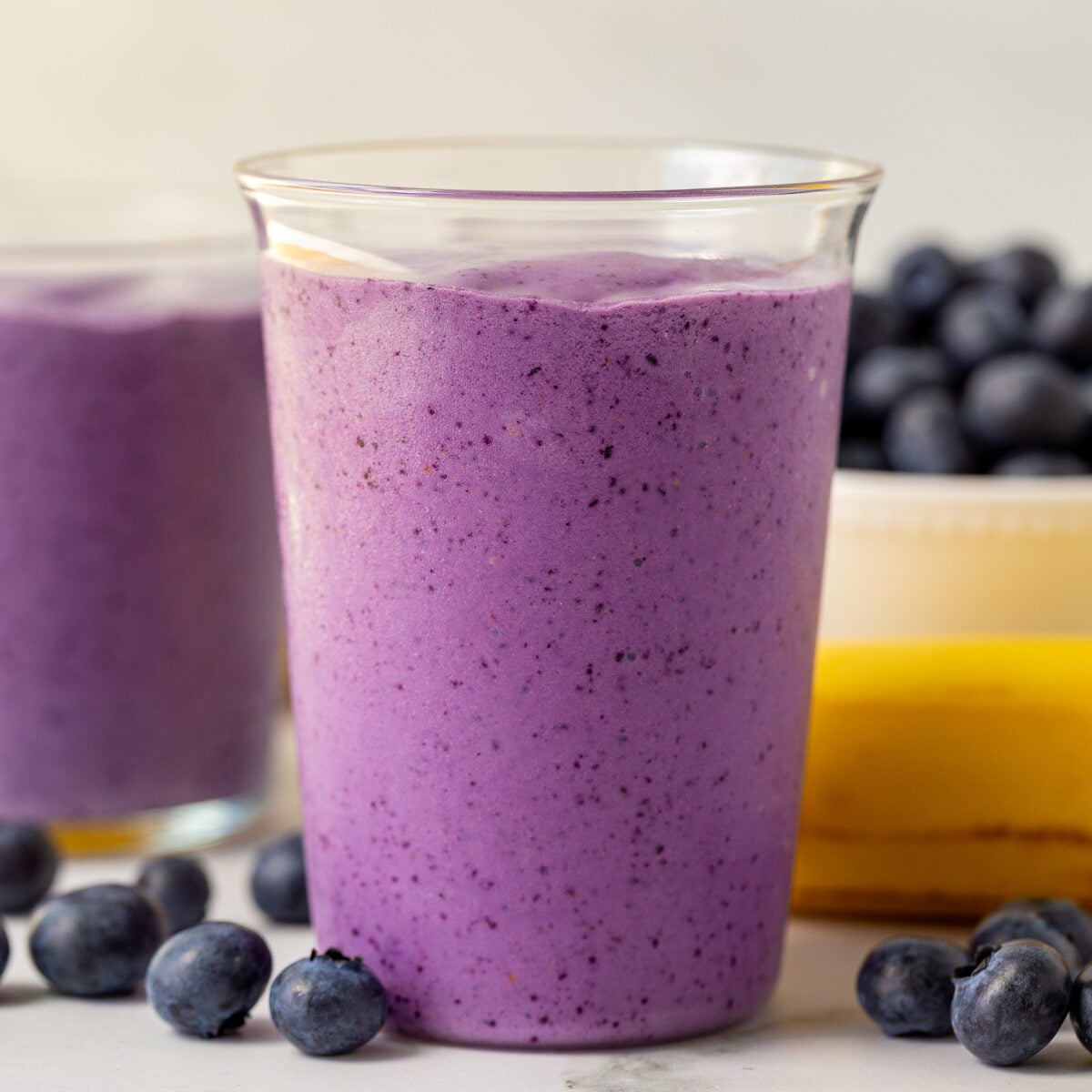
Thick, creamy Blueberry Banana Smoothie made with just 5 simple ingredients – blueberries, banana, yogurt, peanut butter, and milk. Ready in 5 minutes and perfect for breakfast or a snack. The Easy Blueberry Banana Smoothie (5 Ingredients) is a Food with Feeling Recipe.
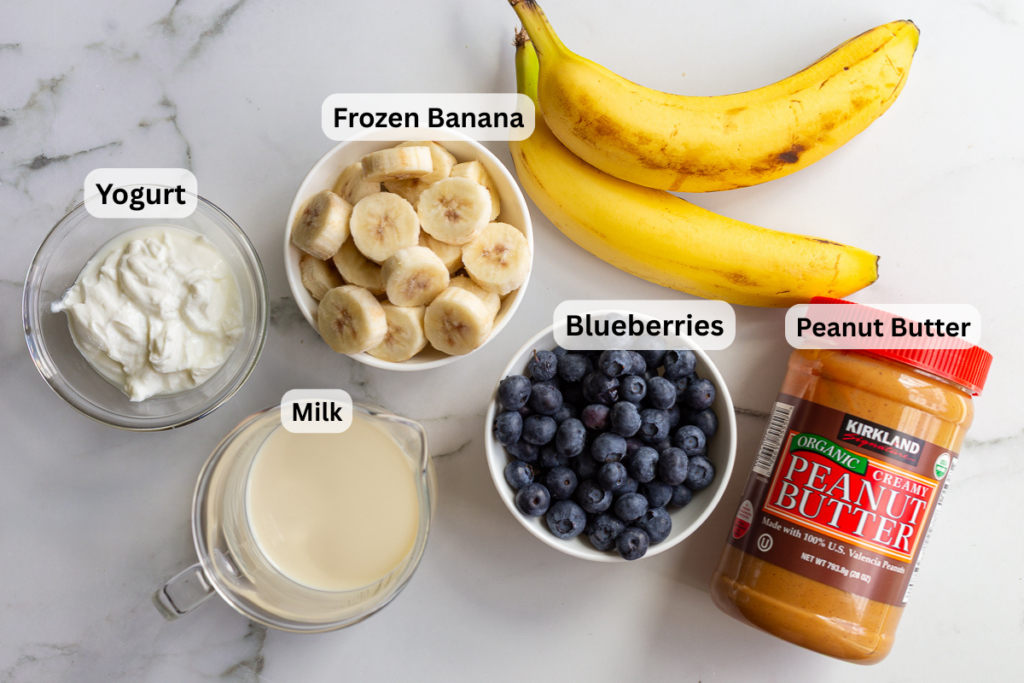
Ingredients
- 1 medium banana preferably frozen
- 1 cup frozen blueberries
- 1 heaping tablespoon of nut butter
- 1 cup milk/ other liquid really anything works well here- I’ve been enjoying oat milk lately! Water also works
- ½ cup yogurt of choice
Instructions
- Add all ingredients into your blender and blend until smooth. If necessary, add a bit more liquid if you need to thin it out just a bit.
- Enjoy!
Notes
Storage:
Store in an airtight container in the fridge for up to 24 hours, or freeze for up to 2 months. Shake or re-blend before drinking if it separates.
Nutrition
Calories: 400kcal | Carbohydrates: 66g | Protein: 22g | Fat: 8g | Saturated Fat: 2g | Polyunsaturated Fat: 1g | Monounsaturated Fat: 3g | Trans Fat: 0.01g | Cholesterol: 17mg | Sodium: 165mg | Potassium: 1098mg | Fiber: 7g | Sugar: 45g | Vitamin A: 622IU | Vitamin C: 25mg | Calcium: 427mg | Iron: 1mg
Optional Additions That Elevate the Base
The five-ingredient version of this smoothie is complete and excellent on its own. It is also a very solid foundation for additions that bring specific nutritional benefits or flavor variations without requiring much additional thought or effort.
Flax seeds or chia seeds blend almost invisibly into the finished smoothie and contribute meaningful amounts of omega-3 fatty acids, additional fiber, and a modest protein boost. A tablespoon of either is enough to add nutritional value without changing the texture in any noticeable way.
A handful of spinach leaves is perhaps the most effective hidden vegetable addition in any smoothie context, and this smoothie is particularly well suited to it because the deep blue-purple of the blueberries overwhelms whatever green the spinach would contribute to the color. The flavor is undetectable. The nutritional addition, including iron, folate, and vitamins A and K, is real and meaningful.
Protein powder is the appropriate addition for anyone making this smoothie specifically as a post-exercise recovery meal. A scoop of plant-based protein powder in vanilla or unflavored varieties integrates cleanly with the existing flavors and can bring the total protein content to 35 grams or more, which is a genuinely substantive recovery dose.
A small pour of orange juice in place of part of the liquid adds brightness and a complementary citrus note that works well with the blueberries, along with additional vitamin C. Pure maple syrup is available as a sweetener for anyone who finds the natural sweetness of the banana insufficient, though in most cases the ripe frozen banana provides all the sweetness the smoothie needs without assistance.
Nutrition and Sustainability in the Same Glass
The nutritional profile of this smoothie is worth reviewing in full because it makes the case for whole-food, plant-forward eating more concisely than most discussions of the topic manage. A single large serving contains approximately 400 calories, 66 grams of carbohydrates with 7 grams of fiber to moderate their impact, 22 grams of protein, and 8 grams of fat. It delivers over 1,000 milligrams of potassium, 427 milligrams of calcium, 25 milligrams of vitamin C, and meaningful amounts of vitamin A and iron. It achieves this nutritional profile in five minutes, from five ingredients, with zero cooking.
The environmental profile is equally strong. Blueberries, bananas, plant-based milks, yogurt (particularly dairy-free varieties), and nut butters all carry substantially lower carbon footprints, water requirements, and land use impacts than the animal proteins and dairy-heavy breakfasts they commonly replace. A habit of starting the day with a smoothie like this one is not a grand gesture of environmental sacrifice. It is a quiet, enjoyable, reproducible daily choice that, multiplied across a year, produces a genuinely meaningful reduction in the environmental impact of how one person eats.
That is the kind of change that Sustainable Action Now believes in most deeply, because it is the kind that actually lasts. Not dramatic overhauls imposed by willpower, but good habits that stick because the thing you are eating is genuinely better, in the fullest sense of the word, than what it is replacing.
Storage and Make-Ahead Notes
This smoothie is best consumed immediately after blending, when the texture is at its thickest and coldest. If you need to store it, pour it into an airtight container and refrigerate for up to 24 hours. The smoothie will separate in the refrigerator, which is a natural consequence of the blended fruit releasing liquid over time. Shake the container vigorously or re-blend briefly before drinking to restore the texture.
For anyone who wants to prepare multiple servings in advance, the smoothie freezes well for up to two months. Freeze in individual portions, then transfer to the refrigerator the night before you plan to drink each one and re-blend or shake to restore consistency. This make-ahead approach is particularly useful during busy weeks when having a ready-to-go nutritious breakfast already prepared eliminates the decision entirely and removes one friction point from eating well consistently.
The Recipe
Servings: 1 large smoothie. Total time: 5 minutes.
Ingredients: 1 medium frozen banana, 1 cup frozen blueberries, half a cup of yogurt of choice, 1 heaping tablespoon of peanut butter or any nut or seed butter, and 1 cup of milk or any preferred liquid.
To prepare: add all ingredients to a blender and blend until smooth. If the smoothie is too thick to blend evenly, add a small additional amount of liquid and blend again until the desired consistency is reached.
Storage: refrigerate in an airtight container for up to 24 hours, shaking or re-blending before drinking. Freeze for up to two months in individual portions and re-blend after thawing.
Approximate nutrition per serving: 400 calories, 66 grams carbohydrates, 22 grams protein, 8 grams fat, 7 grams fiber.
Sustainable Action Now shares plant-forward recipes that demonstrate what sustainable eating looks and tastes like in practice. Every recipe in our collection is chosen because it makes choosing better food genuinely easy and genuinely good.