

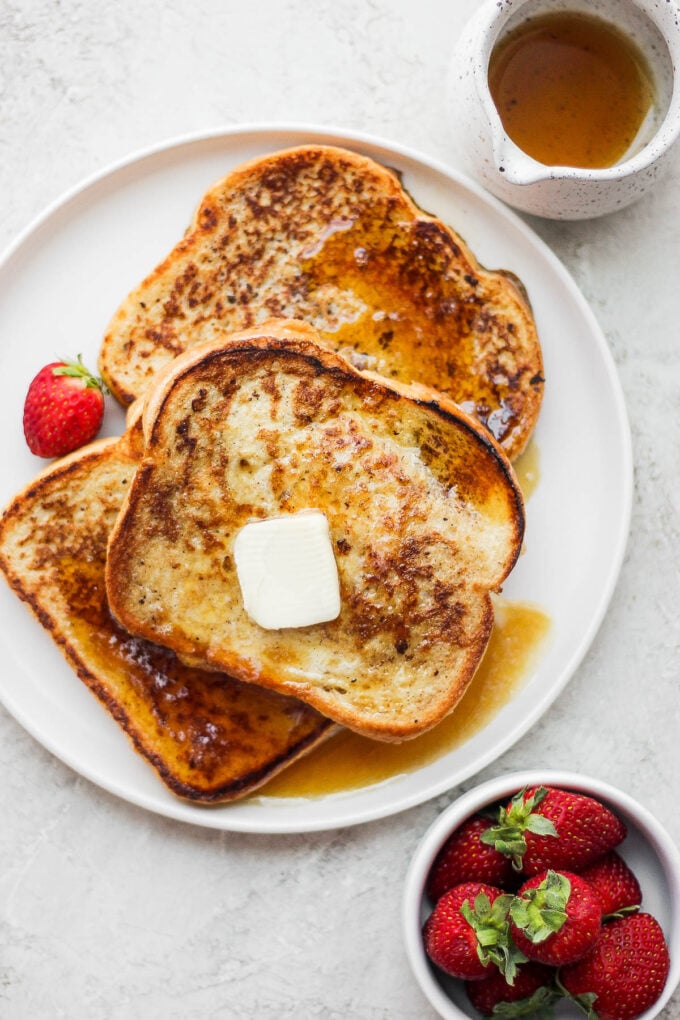
There are certain breakfasts that do more than feed people. They change the entire emotional atmosphere of a morning.
The smell of cinnamon warming on a skillet. Butter melting slowly into crisp golden bread. Maple syrup pooling across the edges of a plate. Fresh coffee brewing in the background while sunlight cuts through the kitchen window. In a culture increasingly dominated by speed, distraction, burnout, and constant digital noise, recipes like Cinnamon French Toast are quietly becoming something much larger than breakfast itself. They are reminders that comfort, ritual, and slowing down still matter.
The latest Cinnamon French Toast recipe making waves through the Food with Feeling community captures exactly why classic comfort breakfasts continue resonating so powerfully right now. Thick slices of bread soaked in a warmly spiced custard, pan-fried until crisp around the edges while staying soft and fluffy inside, then topped with butter, maple syrup, fruit, or powdered sugar — it is the kind of recipe capable of transforming an ordinary morning into something memorable in under fifteen minutes.
At Sustainable Action Now, food stories increasingly involve more than ingredients or preparation alone. They intersect with lifestyle shifts, emotional wellbeing, sustainability, accessibility, nostalgia, and the growing cultural movement toward intentional home cooking in an era where many people feel increasingly disconnected from everyday rituals. What makes recipes like this so enduring is not complexity. It is emotional familiarity paired with sensory comfort.
French toast has always occupied a unique space within breakfast culture because it balances indulgence with simplicity beautifully.
Unlike highly technical brunch recipes requiring specialized equipment or elaborate preparation, French toast remains deeply approachable. The ingredients are humble. Bread. Eggs. Milk. Cinnamon. Vanilla. Nutmeg. Yet when combined correctly, those pantry staples become something deeply satisfying and emotionally grounding. It is one of the clearest examples of how comfort food often depends less on luxury ingredients and more on warmth, texture, aroma, and memory.
That emotional connection is part of why cinnamon French toast continues thriving across generations.
For many people, the dish carries strong associations with weekends, holidays, family breakfasts, snowy mornings, lazy brunches, childhood kitchens, or special occasions where mornings felt slower and more intentional than daily routines typically allow. In modern life — where breakfast is often reduced to convenience bars, rushed coffee runs, or distracted eating during commutes — recipes like this reclaim breakfast as experience rather than obligation.
The timing of this renewed appreciation for comfort breakfasts is not accidental.
Over the past several years, home cooking culture has shifted significantly. Many people are now searching for meals that feel emotionally restorative in addition to being practical. Comfort food itself has evolved beyond heavy indulgence alone and increasingly emphasizes warmth, familiarity, ritual, and sensory grounding. French toast fits perfectly within that evolution because it delivers immediate comfort without requiring hours of preparation.
The fact that the recipe comes together in just fifteen minutes is particularly important.
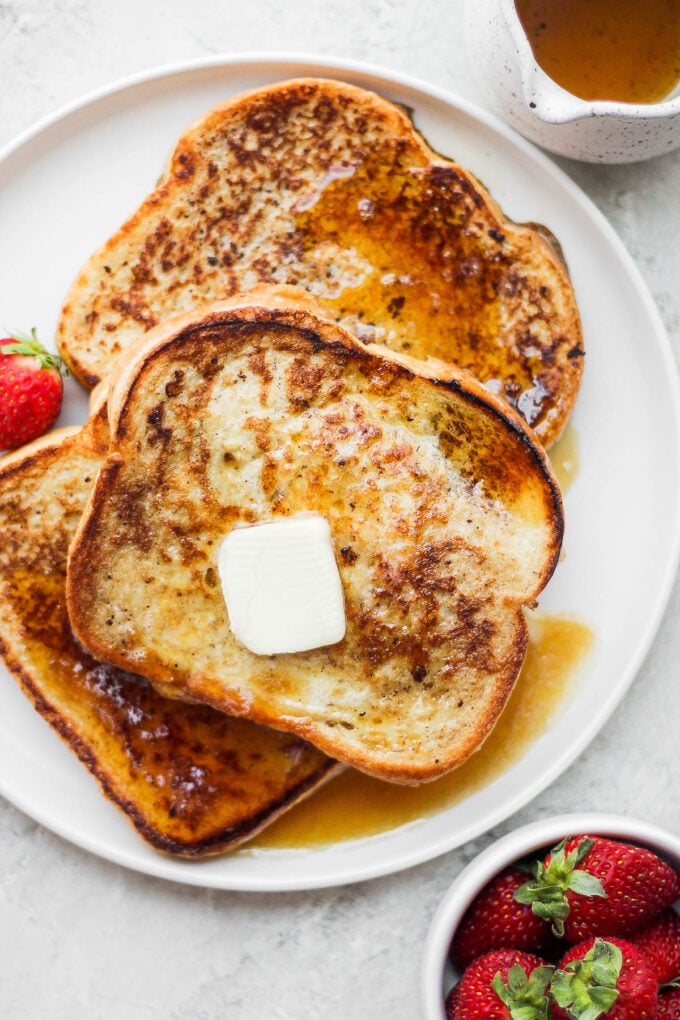
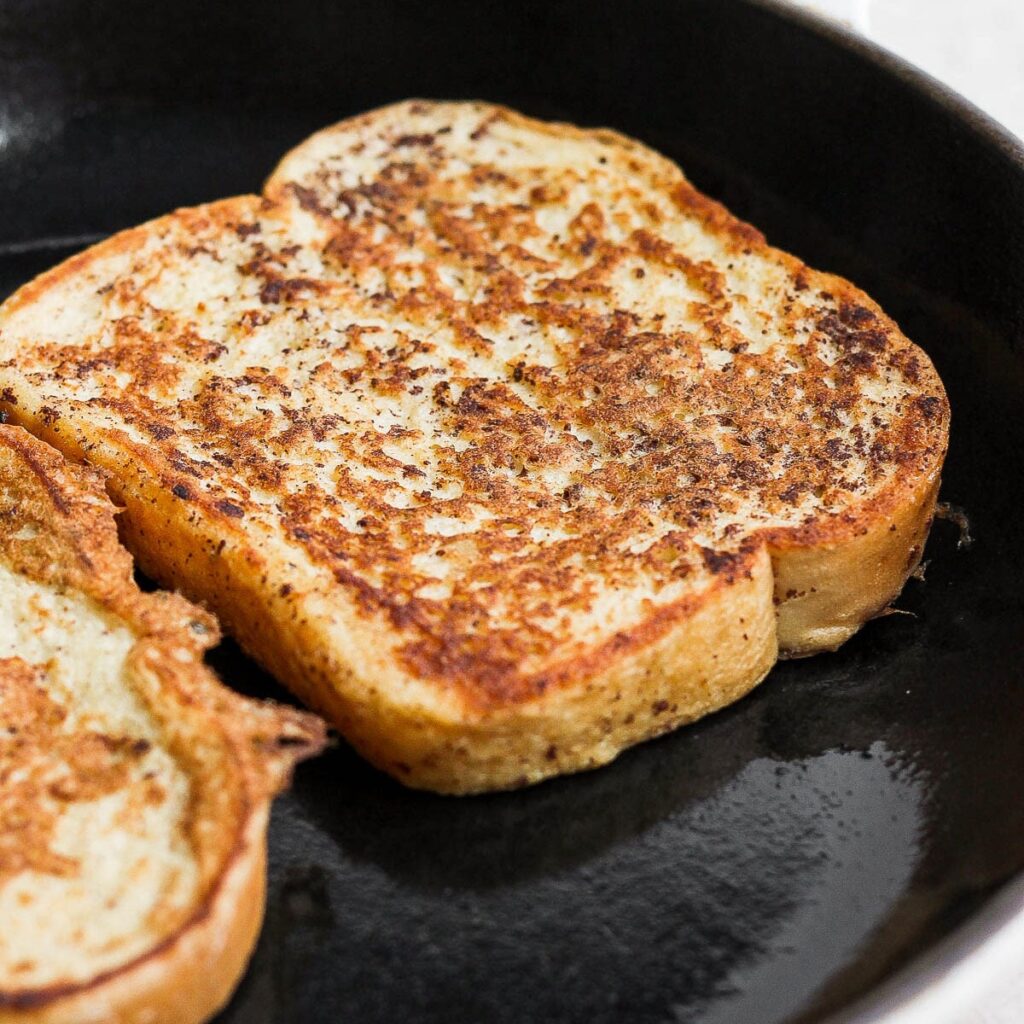
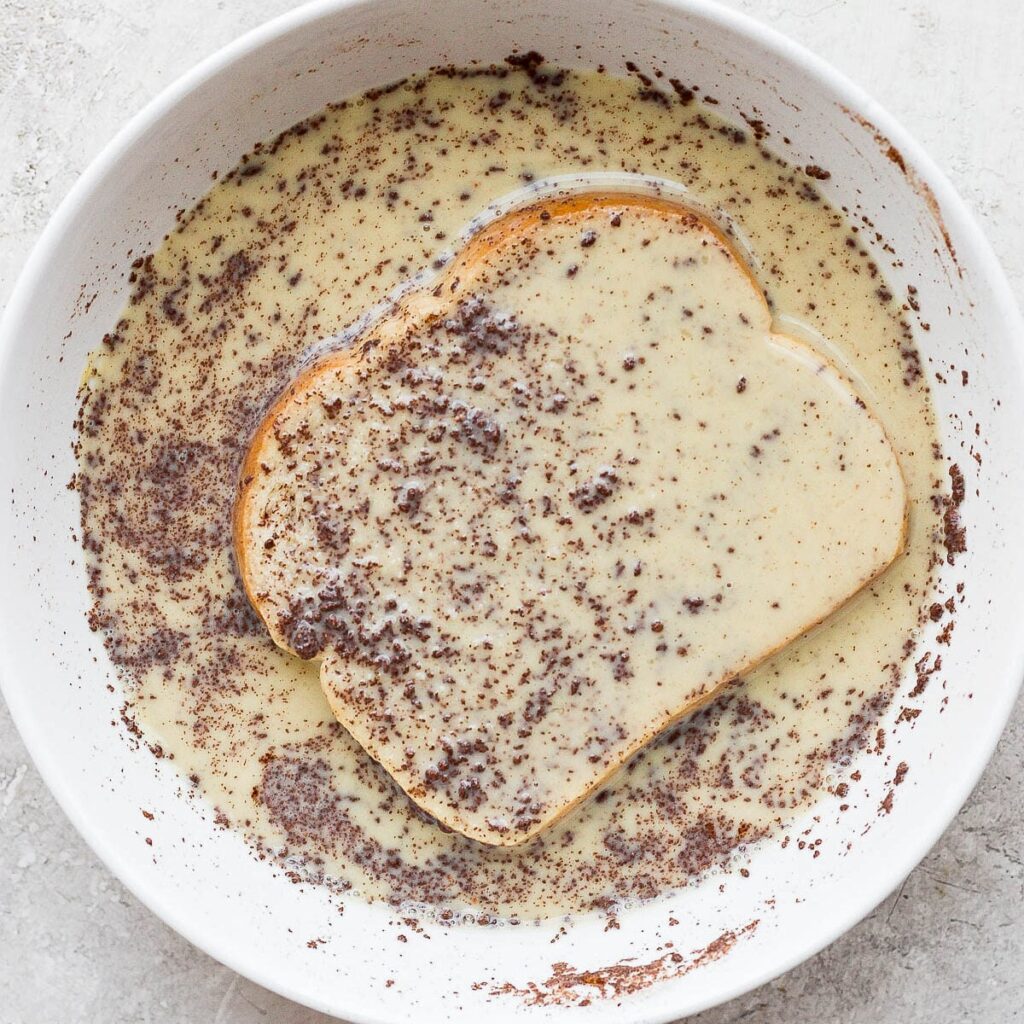

Accessibility has become one of the defining features of successful modern recipes. People want food that feels elevated emotionally without demanding unrealistic time commitments or expensive specialty ingredients. Cinnamon French toast succeeds because it creates a brunch-level experience using ingredients many households already have available.
At Sustainable Action Now, another major reason recipes like this resonate so strongly involves the broader cultural return to intentional mornings.
Modern schedules often fragment mornings into chaotic transitions between alarms, notifications, commuting, work demands, and overstimulation before the day even fully begins. Creating a warm breakfast intentionally interrupts that pace. The process itself becomes calming — whisking custard, heating the skillet, flipping bread carefully as cinnamon and vanilla fill the kitchen with aroma.
That sensory experience matters psychologically.
Food rituals grounded in smell, texture, warmth, and repetition often create emotional regulation people do not even consciously recognize. Comfort breakfasts therefore function almost like small forms of domestic self-care hidden inside ordinary routines.
The specific flavor profile of cinnamon French toast also explains much of its enduring popularity. Cinnamon itself carries extraordinary emotional associations culturally. It signals warmth, coziness, comfort, baking, holidays, safety, and nostalgia almost instantly. Nutmeg deepens that warmth subtly while vanilla rounds the flavors into something rich and familiar.
Together, these ingredients create a flavor architecture people associate instinctively with emotional comfort.
The emphasis on thick-cut bread is equally important because texture defines French toast as much as flavor does. The contrast between crisp caramelized edges and soft custardy interiors creates the entire experience. Brioche, challah, Texas toast, or slightly stale white bread all work particularly well because they absorb the custard without collapsing structurally.
That small technical detail reflects something larger happening throughout modern home cooking culture: people increasingly value texture and sensory quality as much as flavor itself.
The recommendation to use day-old bread also highlights another quietly sustainable aspect of classic recipes like French toast. Historically, French toast emerged partly as a practical way to repurpose older bread rather than wasting it. Long before “food sustainability” became modern terminology, recipes like this already embodied low-waste cooking principles naturally.
That tradition remains relevant today as more households seek affordable ways to reduce food waste while still preparing meals that feel enjoyable and satisfying.
The flexibility built into the recipe also reflects contemporary cooking trends emphasizing personalization rather than rigid instruction. Different milks, breads, toppings, fruits, nuts, or dairy-free alternatives can all work successfully. This adaptability makes the recipe accessible across a wide range of dietary preferences and household situations without compromising the emotional core of the dish itself.
The topping possibilities especially reveal how modern comfort breakfasts increasingly blur the line between indulgence and nourishment.
Fresh berries add brightness and acidity. Bananas contribute sweetness and texture. Nuts introduce crunch and healthy fats. Yogurt adds protein richness. Maple syrup delivers classic sweetness while fruit keeps the dish feeling balanced rather than overwhelmingly heavy. The result is comfort food capable of feeling both cozy and fresh simultaneously.
At Sustainable Action Now, one of the most interesting aspects of recipes like this is how effectively they counteract hyper-efficiency culture.
Modern productivity culture often frames slowing down as wasteful or unproductive. Yet intentional cooking rituals frequently produce the opposite emotional effect. People who prepare comforting meals at home often report feeling calmer, more connected, more grounded, and more present afterward. Breakfast itself becomes less transactional and more restorative.
That emotional restoration is increasingly important in contemporary food culture overall.
The popularity of cozy breakfast recipes, homemade coffee routines, slow brunch culture, and comforting baked goods all point toward a broader social craving for experiences that feel tactile, calming, and emotionally real in an increasingly digital world.
French toast also occupies an important place within shared food culture because it remains inherently communal. Plates stacked on the table. Syrup passed around. Coffee refilled slowly. Weekend conversations stretching longer than weekday schedules usually permit. The dish naturally invites lingering.
That social dimension matters deeply.
Many comfort foods survive culturally not because they are nutritionally optimized or visually trendy, but because they create environments where connection happens naturally. French toast belongs to that category of food completely.
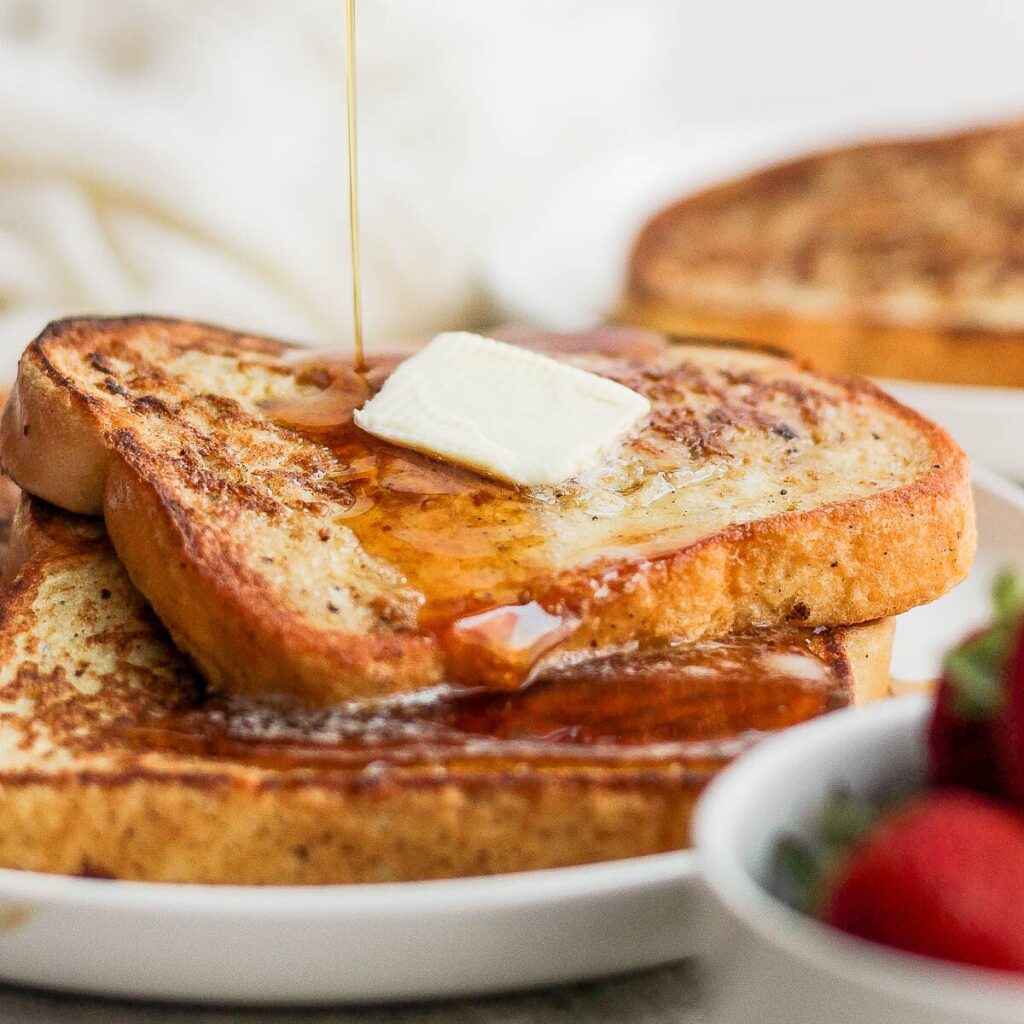
The visual appeal of the dish also contributes significantly to its modern resurgence across social media and brunch culture. Golden edges, melting butter, powdered sugar, dripping syrup, fresh fruit, and warm lighting create highly shareable imagery. Yet unlike many visually viral foods, French toast actually delivers emotionally on the experience it promises.
That authenticity helps explain its enduring popularity.
At Sustainable Action Now, recipes like Cinnamon French Toast matter because they remind people that sustainable living and emotional wellbeing are often connected through ordinary rituals rather than dramatic transformations. Preparing breakfast intentionally. Sitting down for coffee. Cooking with familiar ingredients. Sharing meals with family. Slowing the pace of mornings occasionally. These habits may seem small individually, but collectively they shape quality of life profoundly.
The recipe’s ability to move effortlessly between everyday breakfast and celebratory brunch also reflects its versatility culturally. It can feel casual or indulgent depending on presentation and toppings. It works equally well during holidays, lazy weekends, or spontaneous weekday mornings when someone simply decides to make the day feel softer.
And perhaps that is the deeper reason recipes like this continue resonating generation after generation.
Not because French toast is complicated.
But because it delivers something modern life often struggles to provide consistently: warmth, comfort, familiarity, slowness, and the feeling that for at least one quiet morning, there is enough time to truly enjoy where you are.
This Cinnamon French Toast is a quick and easy breakfast made with thick-cut bread soaked in a warm, spiced custard and pan-fried until golden brown. Ready in just 15 minutes and perfect for a cozy weekend morning or special brunch!
Course Breakfast
Cuisine American
Diet Vegetaria
Prep Time 5 minutes minutes
Cook Time 10 minutes minutes
Total Time 15 minutes minutes
Servings 4 servings
Calories 204 kcal
Author Brita Britnell
Ingredients
- 3 large eggs
- 1 cup milk
- 1 teaspoon ground cinnamon
- ¼ teaspoon ground nutmeg
- 1 teaspoon vanilla extract
- pinch salt
- 6 slices bread thickly cut
Instructions
- In a large shallow dish, whisk together the eggs and milk. Add in the cinnamon, nutmeg, vanilla extract, and salt. Whisk lightly until fully combined.
- Over medium heat, spray a large skillet with cooking spray.
- Place the slices of bread in the egg mixture and let soak on each side for a good few seconds. Sprinkle a little more cinnamon into the egg mixture as needed (I find that a lot of my cinnamon gets stuck on the edges of the pan).
- Cook the bread in the skillet for ~4 minutes on each side or until golden brown.
- Once done, top with syrup, fruit, and a dusting of powdered sugar and ENJOY!!
Notes
Storage + Reheating – Store leftover French toast in an airtight container in the fridge for up to 3 days. Reheat in the toaster or oven at 350°F for 5–10 minutes for the best texture — the microwave works in a pinch but won’t give you that crisp edges. To freeze, let slices cool completely, wrap individually in plastic wrap or separate with parchment, and store in a freezer-safe bag for up to 3 months. Reheat straight from frozen in the toaster or oven.
Bread– Use day-old or slightly stale bread for best results — fresh bread gets soggy.
Milk – Any milk works here, including oat milk for a dairy-free version.
Nutrition
Calories: 204kcal | Carbohydrates: 24g | Protein: 11g | Fat: 7g | Saturated Fat: 2g | Polyunsaturated Fat: 1g | Monounsaturated Fat: 2g | Trans Fat: 0.03g | Cholesterol: 130mg | Sodium: 269mg | Potassium: 200mg | Fiber: 2g | Sugar: 6g | Vitamin A: 279IU | Vitamin C: 0.1mg | Calcium: 151mg | Iron: 2mg
The Cinnamon French Toast (Easy & Ready in 15 Minutes!) is a Food with Feeling Recipe.