

The modern global energy system is entering one of the most volatile and transformative periods in decades. Geopolitical conflict, unstable oil markets, intensifying trade negotiations, rising gasoline prices, and accelerating clean energy investment are no longer operating as separate stories. They are converging into a single defining global shift that is rapidly reshaping economics, transportation, manufacturing, national security strategy, and environmental policy all at once.
At the center of that transformation is a growing reality many governments can no longer ignore: dependence on fossil fuel instability is becoming increasingly expensive, politically dangerous, and strategically unsustainable.
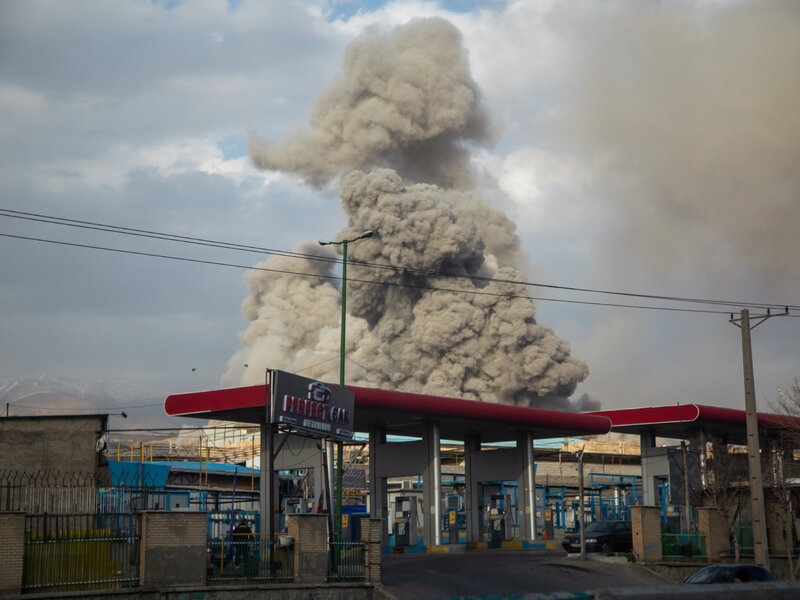
The escalating conflict involving Iran has once again exposed how vulnerable global fuel markets remain to geopolitical disruption. Oil price volatility has surged back into public focus. Governments are scrambling to manage political fallout from rising gasoline costs. Consumers are confronting renewed uncertainty at gas stations. Financial markets are reacting nervously to supply chain instability and shipping risks throughout critical energy corridors. Yet while short-term panic dominates headlines, something much larger is happening beneath the surface — the crisis is accelerating the global transition toward electrification and renewable infrastructure far faster than many analysts previously anticipated.
Ironically, one of the largest beneficiaries of this instability may be China.
As oil-producing regions become increasingly unstable and fuel prices fluctuate unpredictably, countries around the world are moving more aggressively toward electric vehicles, solar technology, battery storage systems, and energy diversification strategies designed specifically to reduce dependence on imported fossil fuels. China currently dominates many of those industries at a scale no other nation has yet matched. That reality is now dramatically strengthening Beijing’s geopolitical leverage ahead of increasingly important negotiations between President Donald Trump and Chinese President Xi Jinping.
The timing could not be more consequential.
For years, clean energy conversations in many Western political circles were framed primarily through environmental or climate lenses. Today, however, energy transition discussions are increasingly being driven by economics, security, industrial competitiveness, and geopolitical survival. The Iran conflict is reinforcing a lesson the world has learned repeatedly for decades: oil dependency creates vulnerability. Every major supply disruption, military escalation, sanctions conflict, or shipping corridor threat reverberates through the global economy almost instantly.
That volatility changes political calculations rapidly.
Countries that once approached electric vehicle adoption cautiously are now accelerating timelines. Governments heavily dependent on imported fuel are seeking energy independence more aggressively. Battery storage systems are no longer viewed solely as climate infrastructure but increasingly as strategic national assets. Solar deployment continues expanding because once installed, sunlight cannot be embargoed, sanctioned, or disrupted by military conflict.
China recognized this shift years ago and positioned itself accordingly.
Through massive industrial investment, supply chain expansion, aggressive manufacturing scaling, and strategic control over critical battery materials and clean technology production, China has built an extraordinary level of dominance across key sectors driving the global energy transition. Electric vehicles, solar panels, lithium battery manufacturing, rare earth processing, and renewable infrastructure exports have all become central pillars of China’s economic and geopolitical strategy.
Now, global instability is strengthening those advantages further.
As gasoline prices rise and oil uncertainty intensifies, consumers and governments alike increasingly view electrification not simply as environmental idealism but as economic insulation against future shocks. That distinction matters enormously because it fundamentally changes the political durability of clean energy adoption worldwide.
The renewed focus on gasoline prices inside the United States illustrates this tension perfectly.
President Donald Trump’s proposal for a temporary federal gasoline tax holiday immediately triggered political debate across Washington as lawmakers weighed how to respond to mounting consumer frustration over rising fuel costs. While the proposal generated attention and attracted bipartisan interest from some lawmakers seeking immediate relief measures, early reactions inside Congress revealed significant skepticism regarding both effectiveness and long-term economic implications.
Republican leadership itself appeared notably cautious, highlighting the complicated political terrain surrounding fuel price intervention. Gas tax holidays are often politically appealing because they offer visible short-term relief narratives during periods of public anxiety. Yet critics argue such measures frequently provide only modest consumer savings while simultaneously reducing transportation infrastructure funding and potentially encouraging additional fuel demand during already volatile supply conditions.
The debate itself reflects a larger reality shaping modern energy politics: governments remain deeply vulnerable to gasoline price fluctuations because transportation systems across much of the world remain heavily dependent on fossil fuels.
That vulnerability is precisely what electrification advocates increasingly point toward when arguing for accelerated clean energy adoption.
Electric vehicles are no longer being framed exclusively as climate-conscious consumer choices. They are increasingly positioned as economic stability tools capable of insulating households from global oil shocks altogether. The more unstable petroleum markets become, the more attractive fixed-cost renewable electricity and electrified transportation begin to appear by comparison.
This dynamic is one reason the Iran conflict may ultimately accelerate clean energy investment globally even as it initially destabilizes energy markets.
Consumers experiencing gasoline price spikes often reevaluate long-term transportation costs differently. Governments confronting inflationary fuel shocks become more willing to subsidize renewable infrastructure. Businesses facing supply chain uncertainty seek energy resilience strategies. Investors redirect capital toward technologies positioned to benefit from long-term decarbonization and electrification trends.
In many ways, geopolitical instability is unintentionally strengthening the economic case for renewable energy far beyond environmental arguments alone.
China’s current positioning within this transformation presents a major strategic dilemma for the United States and much of the Western world.
While American political debates frequently oscillate between fossil fuel expansion and clean energy investment priorities, China has spent years aggressively scaling manufacturing capacity across nearly every major clean technology sector. Chinese companies now hold enormous market influence in solar production, battery manufacturing, electric vehicle exports, and critical mineral processing. As more countries accelerate renewable transitions due to energy security fears, Chinese industrial dominance becomes increasingly difficult to counter quickly.
This reality is adding enormous strategic significance to ongoing Trump-Xi trade discussions.
Trade negotiations between Washington and Beijing are no longer simply about tariffs or manufacturing competition in traditional industries. They increasingly revolve around who controls the technologies underpinning the next global economic era. Electric vehicles, battery storage systems, semiconductor infrastructure, solar manufacturing, and critical mineral supply chains are rapidly becoming central geopolitical battlegrounds.
The stakes are massive because whichever nations dominate clean technology production may effectively shape future global industrial power structures for decades.
Meanwhile, inside the United States, political messaging surrounding energy remains deeply divided.
Trump continues emphasizing gasoline affordability, domestic energy production, and economic pressure concerns affecting American consumers. Yet even within his administration and broader political coalition, uncertainty surrounding future fuel prices remains difficult to manage. Energy Secretary Chris Wright recently acknowledged the unpredictability of future gasoline prices while simultaneously emphasizing that the United States remains in a “tremendous position” overall.
That statement captures the contradiction currently defining American energy politics.
The United States possesses enormous oil and gas production capacity, significant technological innovation potential, expanding renewable infrastructure, and growing domestic manufacturing ambitions. Yet it also remains highly exposed to global market volatility because oil pricing functions internationally regardless of domestic production strength alone. Even major producing nations cannot fully isolate consumers from geopolitical shocks tied to global energy markets.
This reality increasingly strengthens arguments for diversified energy systems less dependent on fossil fuel volatility altogether.
At Sustainable Action Now, the larger issue extends beyond temporary price spikes or short-term political proposals. The deeper transformation underway concerns how global societies fundamentally rethink energy security itself. For much of the twentieth century, energy dominance was primarily associated with oil production capacity, pipeline control, refinery infrastructure, and fossil fuel reserves. The twenty-first century increasingly looks different.
Today, energy resilience is becoming tied to battery storage, electrical grid modernization, decentralized renewable generation, electrified transportation, domestic manufacturing capability, and supply chain control over critical clean technology materials.
That transition is not happening evenly or without tension. Existing fossil fuel industries remain enormously powerful economically and politically. Millions of jobs, entire regional economies, transportation systems, and geopolitical alliances remain connected to oil and gas infrastructure. Yet the accelerating pace of clean energy investment globally suggests the transition itself is no longer theoretical.
The Iran conflict is simply intensifying its urgency.
Every geopolitical oil shock reinforces renewable energy’s appeal as a stabilizing force. Every fuel price spike encourages consumers to reconsider transportation choices. Every supply disruption strengthens arguments for domestic renewable infrastructure and electrified systems less exposed to international instability.
Even countries historically resistant to aggressive decarbonization are increasingly framing clean energy investments through national security and economic competitiveness language rather than purely environmental messaging. That rhetorical shift may ultimately prove more politically durable than climate arguments alone because it appeals simultaneously to industry, defense, manufacturing, and economic resilience concerns.
The growing intersection between clean energy and geopolitical power is also reshaping international alliances themselves. Countries rich in lithium, cobalt, nickel, rare earth minerals, and renewable manufacturing capacity are gaining strategic significance. Supply chain control increasingly functions as geopolitical leverage. Industrial policy and energy policy are becoming inseparable.
This is one reason China’s current positioning matters so profoundly. Beijing spent years building infrastructure for an energy future many Western governments debated but did not fully commit to industrially. Now, global instability is increasing worldwide demand for exactly the technologies China dominates.
That does not guarantee permanent Chinese supremacy. The United States, Europe, India, and other regions are investing aggressively in domestic manufacturing expansion and supply chain diversification. But rebuilding industrial ecosystems at massive scale takes time, political consistency, infrastructure investment, and long-term strategic coordination.
In the meantime, the energy transition continues accelerating whether political systems fully align around it or not.
And perhaps that is the most important reality emerging from the current moment. The clean energy transformation is no longer driven solely by climate activism or environmental urgency. It is increasingly being driven by market volatility, geopolitical instability, consumer economics, industrial competition, and national security strategy simultaneously.
The Iran conflict did not create the global clean energy transition. But it may significantly accelerate it by reminding governments and consumers everywhere just how fragile fossil fuel dependence can become when geopolitical tensions escalate.
As oil markets fluctuate, gasoline debates intensify, and global powers maneuver for economic advantage ahead of critical negotiations, one truth is becoming increasingly difficult to ignore: the future energy economy is already being built in real time.
And the nations that control that future may ultimately control far more than energy itself.